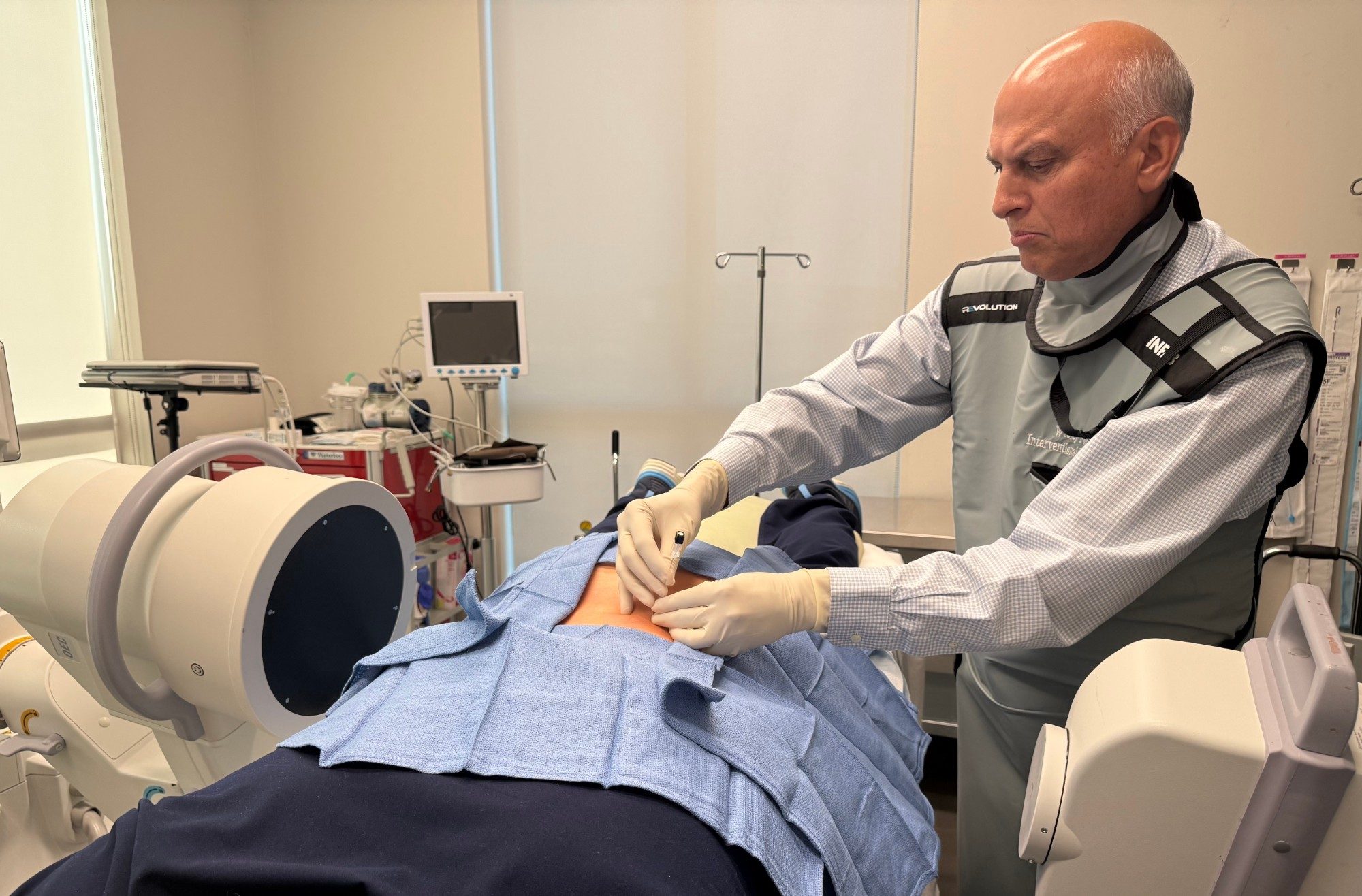
Dr. Praful C. Singh, M.D., performing an image-guided spinal injection in the Texas Spine Clinic procedure room.

Pain management in San Antonio

Pain management that goes after the cause.Not just the pain.

Most pain has a source you can find: a disc, a joint, a nerve, an injured muscle. We find it, and we treat it there. Chiropractors, pain management physicians and a nurse practitioner work as one team under one roof, so when your case needs more, the next step is down the hall. No surgery first. No narcotics, ever.

  • Exam before anything else
  • Chiropractors, physicians and a nurse practitioner, one team
  • Interventional procedures performed in-house
  • No narcotics
  • New patients seen the same day
  • No referral needed
  • Most insurance and Medicare accepted

Sound familiar?

You've been managing it long enough.

  • The pills take the edge off for a few hours. Then you're counting the hours until the next dose.
  • You've been told it's "just arthritis," "just age," or something you'll have to live with.
  • Nobody has shown you what is actually causing it.
  • You've tried rest, heat, ice, a brace, and a drawer full of creams.
  • You plan your day around the pain: the one chair you can sit in, the errands you skip.

Managing pain means living around it. We'd rather find where it's coming from and fix it. That's what pain management means here.

Where your care starts

Pain is the symptom. The source is what we treat.

Before anything is recommended, you're examined: your history, a hands-on exam, and imaging when your case needs it. X-rays are taken in the building, and when the exam calls for an MRI, we order and arrange it. The goal of that first visit is a plain answer: what is hurting, and why.

01

The disc

A bulging or herniated disc pressing on a nerve. Low back pain, sciatica down the leg, neck pain and arm pain.

02

The joint

A stiff or inflamed joint in the spine. The back that locks up when you stand, the neck that won't turn.

03

The nerve

A nerve that keeps firing on its own. The burning, numbness and electric pain of neuropathy, CRPS and shingles.

04

The soft tissue

Muscles and ligaments strained in an injury, like the neck and back pain that follows a car accident.

Why it matters to you: whatever we recommend, it isn't because it's the only thing we have. It's because your exam says it's the right tool.

How your care is built

Step up only when you need to

We start by treating the source of your pain, without surgery and without narcotics. Most patients never need more than that. When a case does, the next step is already in the building.

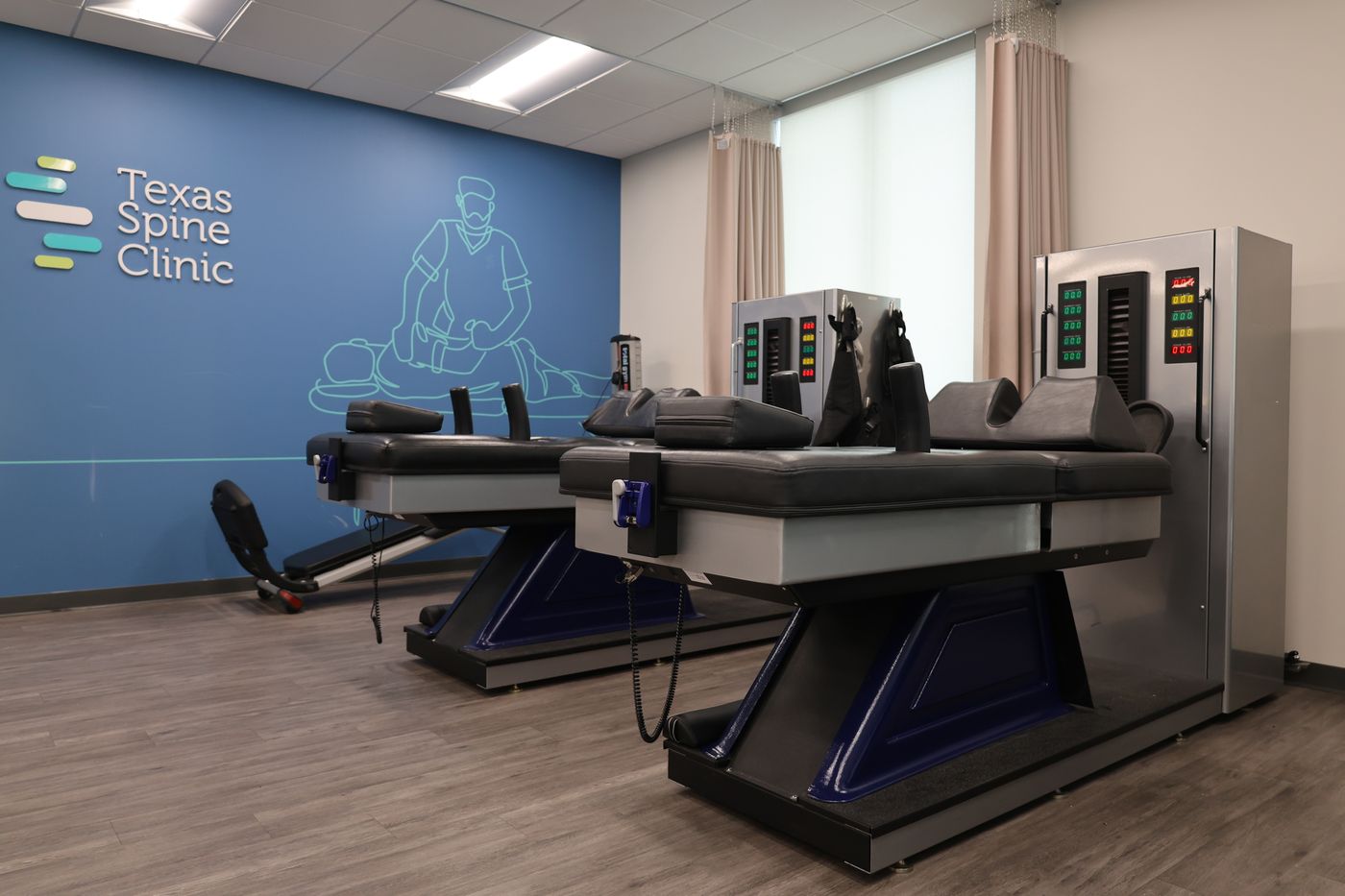
DRX9000 spinal decompression tables in the Texas Spine Clinic treatment room, in front of the clinic's logo wall.

Step 1 · Where most care begins and ends

Treat the source

Chiropractic care, DRX9000 spinal decompression, scrambler therapy for nerve pain, therapies like laser, ultrasound and muscle stimulation, and the strengthening that holds a result in place. We're treating the disc, the joint, the nerve and the soft tissue itself — not masking the pain with pills.

Step 2 · When it helps

Calm it down while we fix it

Sometimes an anti-inflammatory or a short course of steroids lets you heal faster. Our nurse practitioner, Meredith Reynolds, ACNP-BC, can prescribe it alongside your care. Never narcotics.

Step 3 · When a case calls for it

Interventional pain procedures

For the most serious cases, often car accident injuries, interventional pain procedures are performed here, in our own procedure room, by Praful C. Singh, M.D., and Lisa D. Persyn, M.D. Your exam and your imaging decide whether your case calls for one.

Why it matters to you: when steps work together, patients often recover faster, because we're treating the source and calming the symptoms at the same time.

In the building

When you need a procedure, you don't need a new clinic.

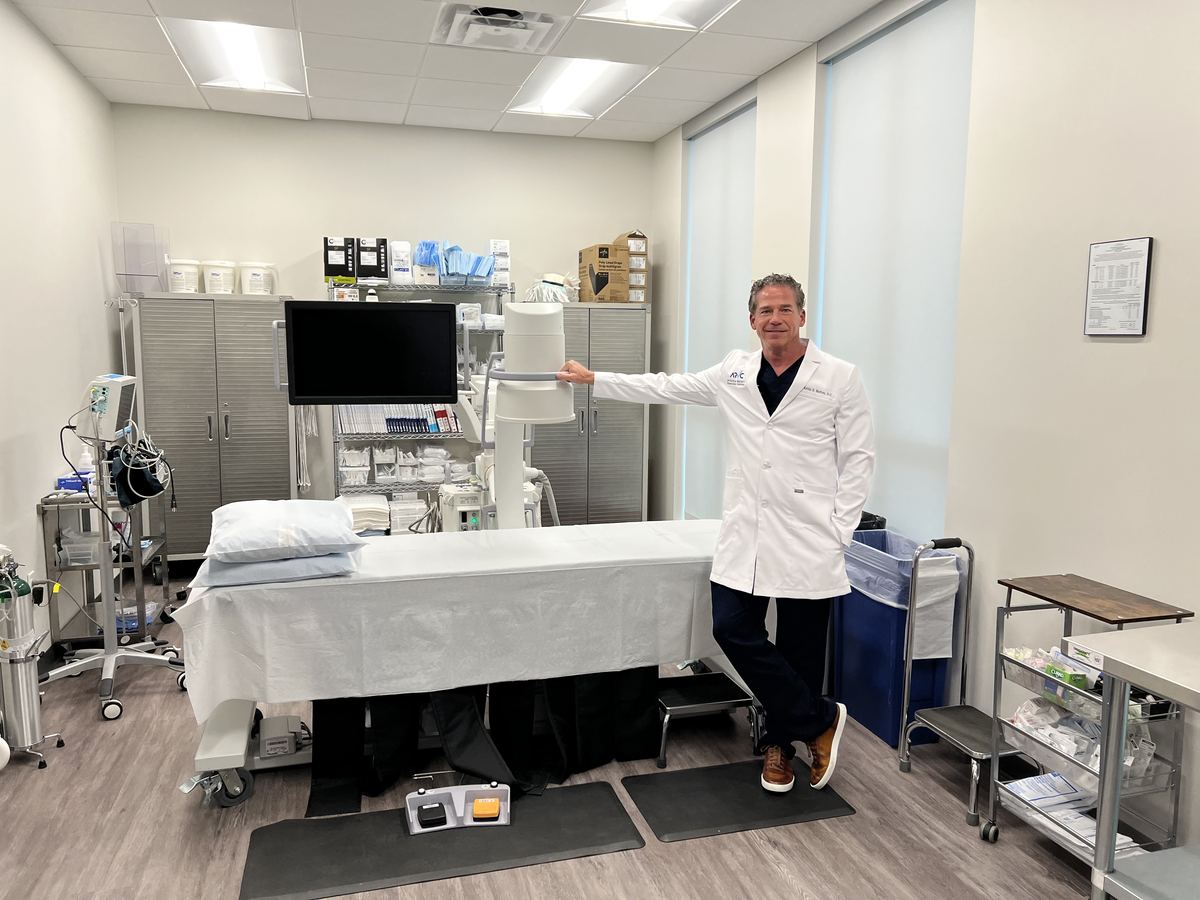
Our procedure room is down the hall from the treatment rooms, with image guidance on site. If your physician recommends a procedure, you'll hear what it is, why your case calls for it, and what to expect, in plain words, before anything is scheduled.

Your care keeps going alongside it, with the same team.

What the procedure names mean
Epidural steroid injection
Anti-inflammatory medicine placed near an irritated nerve root in the spine.
Facet joint injection
Medicine placed into one of the small joints at the back of the spine.
Medial branch block
Numbs the small nerves that carry pain from a facet joint, to confirm which joint is the source.
Radiofrequency ablation
Gentle heat quiets those same small nerves so they stop sending the pain signal.
SI joint injection
Medicine placed into the joint where the spine meets the pelvis.
Trigger point injection
Medicine placed into a tight, painful knot in a muscle.
Nerve block
Numbing medicine placed around a specific nerve to calm its pain signal.
Dr. Kevin S. Barton standing beside the procedure table in the Texas Spine Clinic procedure room, with an imaging unit and monitor.
The procedure room at Texas Spine Clinic, down the hall from where the rest of your care happens.

How care is decided here

The least invasive tool that can do the job comes first.

Here's how pain management works at Texas Spine Clinic. Hold us to every line.

01You'll know the source before anything is recommended. What's hurting, why, and what it will take to fix it.
02We start with the source, not the symptom. Most patients get well on Step 1 alone. The next step is there when your case calls for it.
03No narcotics. An anti-inflammatory or a short course of steroids when it helps you heal faster, and nothing to become dependent on.
04Every procedure is explained before it's scheduled. What it is, why your case calls for it, and what to expect.
05Progress is measured, not guessed. Re-exams compare your pain, and what you can do, against where you started.
06If it isn't working, the plan changes. A different treatment under this roof, or the next step, decided by your exam.

Who you'll see

Your care team

We work as a team. Chiropractors, physicians and a nurse practitioner under one roof, and your care is a team effort from your first visit.

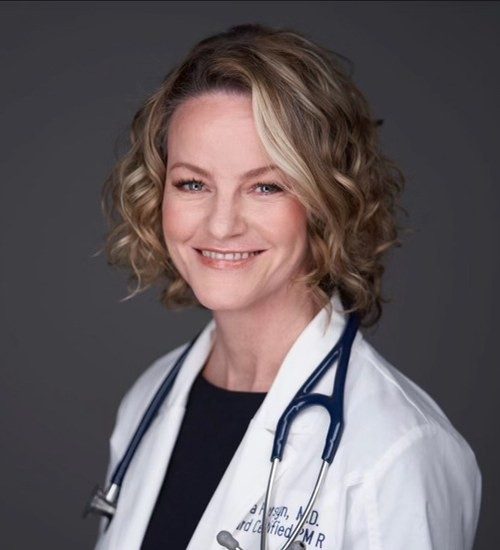
Dr. Praful C. Singh, M.D.

Praful C. Singh, M.D.

Pain management physician

A board-certified anesthesiologist, fellowship-trained in pain management at the University of Rochester after his anesthesia residency at SUNY Buffalo. Practicing medicine for more than three decades, focused on pain management since his fellowship. Performs interventional pain procedures.

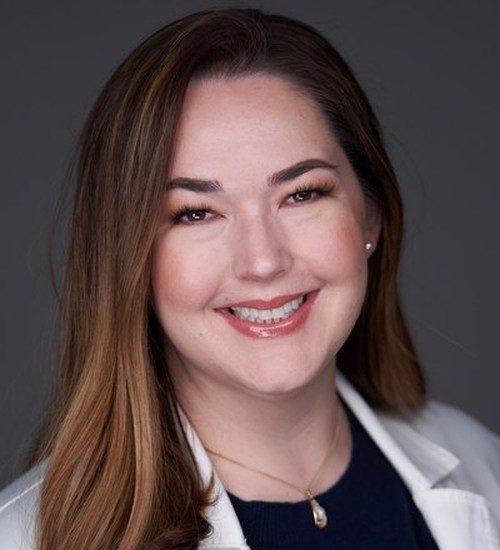
Dr. Lisa D. Persyn, M.D.

Lisa D. Persyn, M.D.

Physical medicine & rehabilitation

Board certified in physical medicine and rehabilitation. M.D. from UT Health Science Center San Antonio, residency at Baylor College of Medicine. Performs interventional pain procedures and medically supervises our scrambler therapy program.

Meredith Reynolds, ACNP-BC.

Meredith Reynolds, ACNP-BC

Nurse practitioner

A board-certified acute care nurse practitioner. When your care calls for medication, she can see you that same visit.

Meet all of our providers →

Common questions

Before you call

Do you do injections?

Yes. Interventional pain procedures are performed here by Praful C. Singh, M.D., and Lisa D. Persyn, M.D. Your exam and your imaging decide whether your case calls for one. Most of our patients' care is non-surgical and narcotic-free.

Do you prescribe pain medication?

Our nurse practitioner or our pain management doctors can prescribe an anti-inflammatory or a short course of steroids as part of your care, and sometimes muscle relaxers. We don't prescribe narcotics.

Will I see a medical doctor on my first visit?

Your first visit starts with an exam. The medical side of the team sees you when your care calls for it, whether that's medication or a procedure your imaging supports.

Do I need an MRI before I come in?

No. If you have one, bring it. If your exam calls for imaging, we order and arrange it.

Do I need a referral?

No. No referral is needed for your initial visit. If your care later requires one, we’ll get it for you.

Is pain management covered by insurance?

We accept most insurance plans and Medicare. What's covered depends on the service and your plan, and our front desk checks your benefits before your visit.

I was hurt in a car accident. Is this the right page?

Accident injuries have their own program: nothing out of pocket at your first visit, same-day appointments, and medical care in the building. Most accident patients start with hands-on care, and the MRI decides if someone needs injections. See the injury program.

Where are you, and when are you open?

3212 Napier Park, San Antonio, TX 78231. Monday–Thursday, 8 a.m.–5 p.m. (210) 741-9166.

What happens next

Find the source. Then fix it.

  1. An exam and a plain answer. Your history, a hands-on exam, imaging if your case needs it, and an explanation of what is hurting and why.
  2. A plan built on your exam. Starting with the least invasive tool that can do the job.
  3. The next step in the building, if your case ever needs it.

New patients can be seen the same day. No referral needed. Most insurance and Medicare accepted. Monday–Thursday, 8 a.m.–5 p.m. · 3212 Napier Park, San Antonio.

Book your first visit

No referral needed. Same-day appointments available.

Calendar not showing? Open it in a new tab.
Rather book by phone? Call (210) 741-9166.

P.S. Pain you've been managing for months has a source. One visit tells you what it is and what it will take to fix it. Call (210) 741-9166.