← Blog
Car Accidents
After a car wreck, everyone says call a lawyer. See a doctor first.
The billboards make calling an attorney look like step one. It is step two. Why the exam comes first, what to do when your own doctor won’t see accident injuries, and what one clinic can handle under one roof.
Drive any highway in San Antonio and count the billboards. Turn on the TV, open your phone, listen to the radio on the way to work. Almost every message about car wrecks comes from a law firm, and almost every one says the same thing: call us first.
Hear that enough times and it starts to sound like the standard order of things. Wreck, then lawyer, then everything else. Plenty of people now call an attorney before anyone has examined their injuries.
That order is backwards. If you have any pain or discomfort after a crash, the first person you need is a doctor. The attorney comes second, and here is why.
Your injury is on a clock. Your claim can wait a day.
An attorney can do the same job for you tomorrow, or next week, that they can do today. Your neck and back can’t say the same. Muscle and ligament that were stretched in the crash start swelling within hours, and your body begins patching the damage right away, in whatever position you are holding. The first days are when an exam finds the most and when care has the most say in how you heal.
There is a second reason, and any good attorney will tell you the same thing. The first question a lawyer asks is “Have you seen a doctor?” Your exam is what shows you were hurt, what was hurt, and that it came from this crash. An attorney can’t write that record. Only a doctor can, and it is strongest when it is made in the first days, while the injuries are fresh.
A doctor decides how you heal. An attorney handles the claim. The healing is the part that can’t wait.
Where are you hurting?
Tap the one that fits and see what it usually means after a crash.
Neck pain after a crash
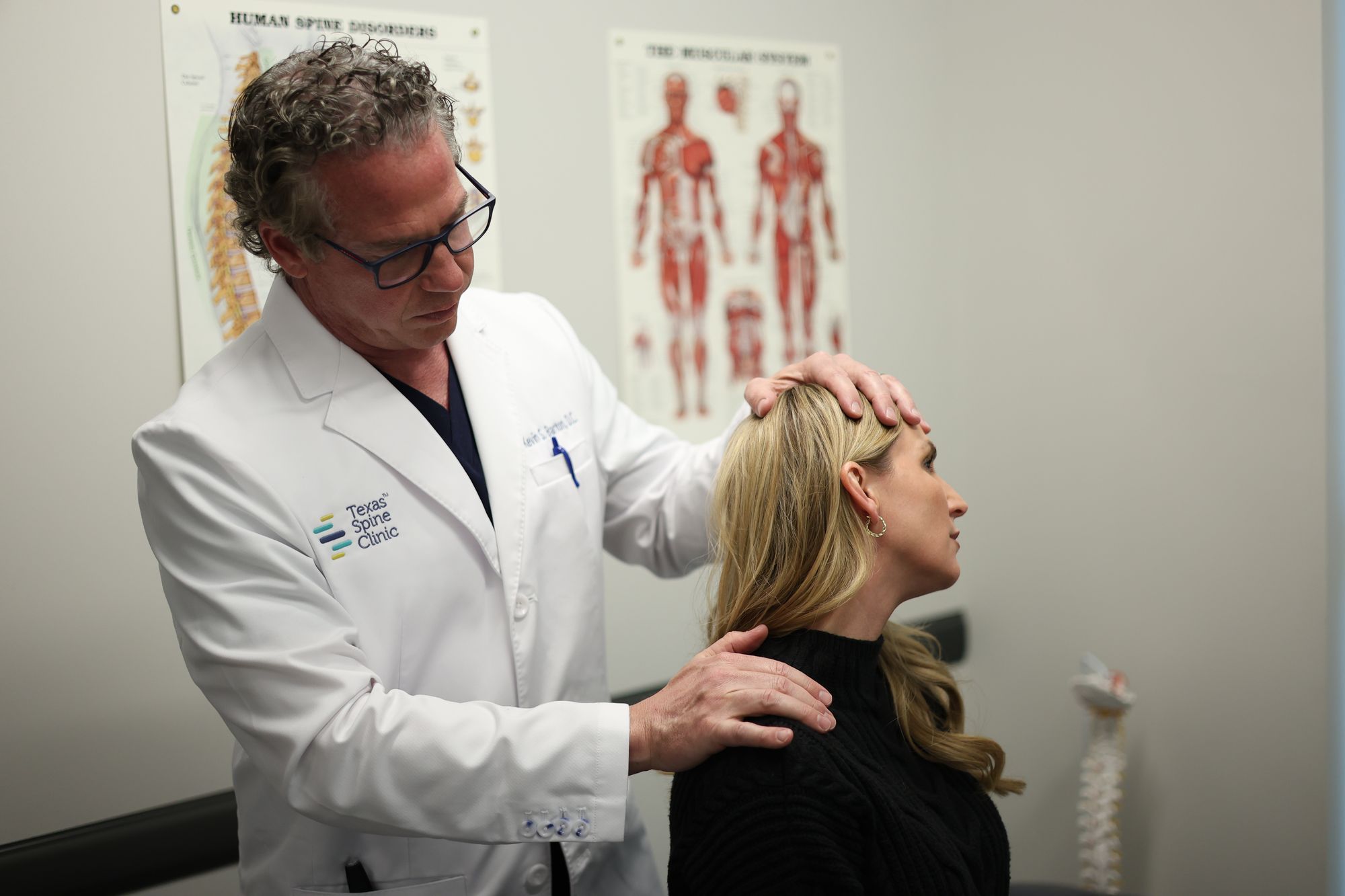
This is usually whiplash. The muscles and ligaments in your neck were stretched faster than they could brace. It often feels worse on the second or third morning: a neck that won’t turn all the way, soreness across the shoulders, and headaches that start at the base of the skull.
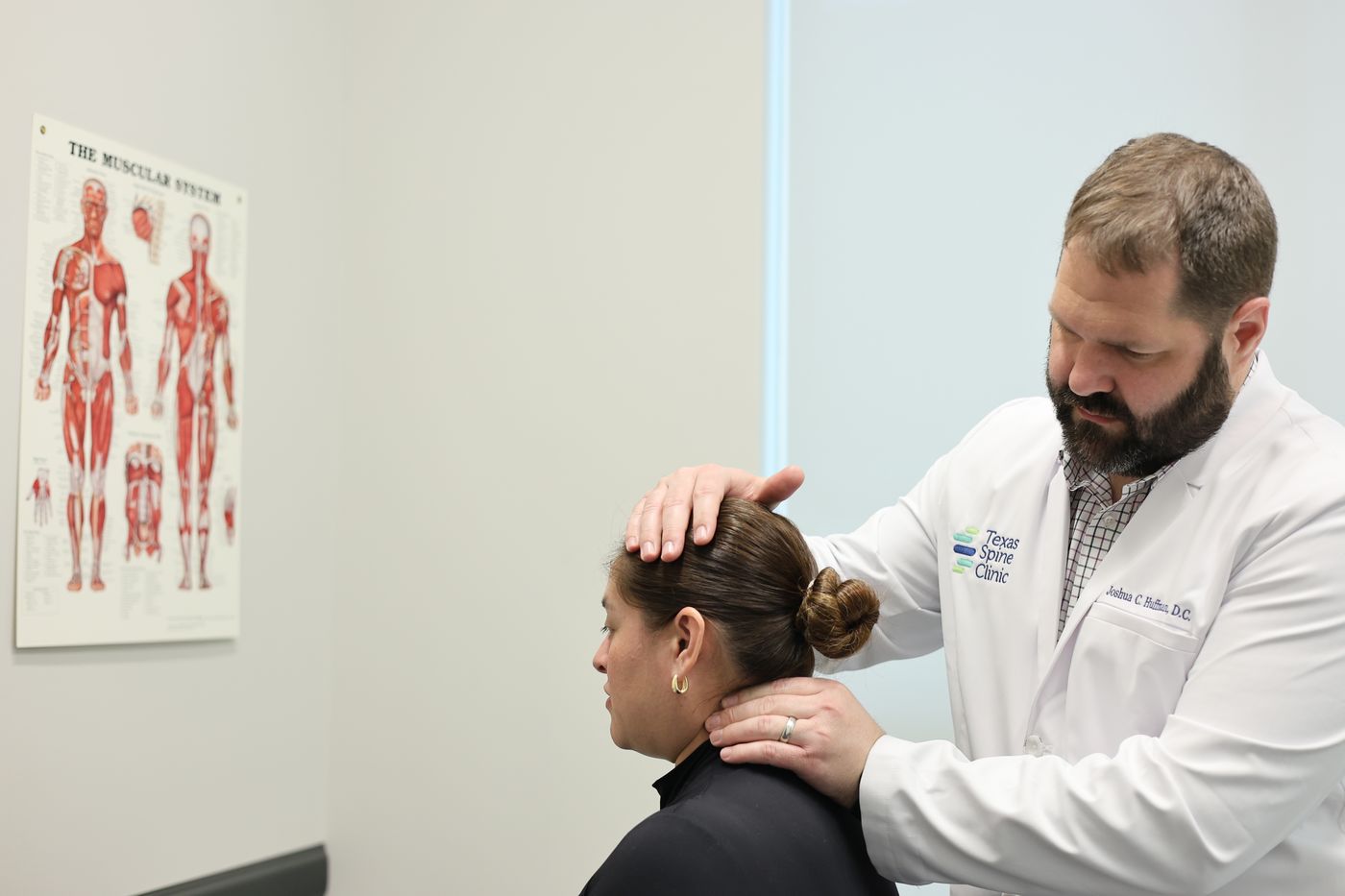
At your exam we check how far your neck moves in each direction, your strength and your reflexes, and we take X-rays here if you need them. Most people start hands-on care the same visit.
Lower back pain after a crash
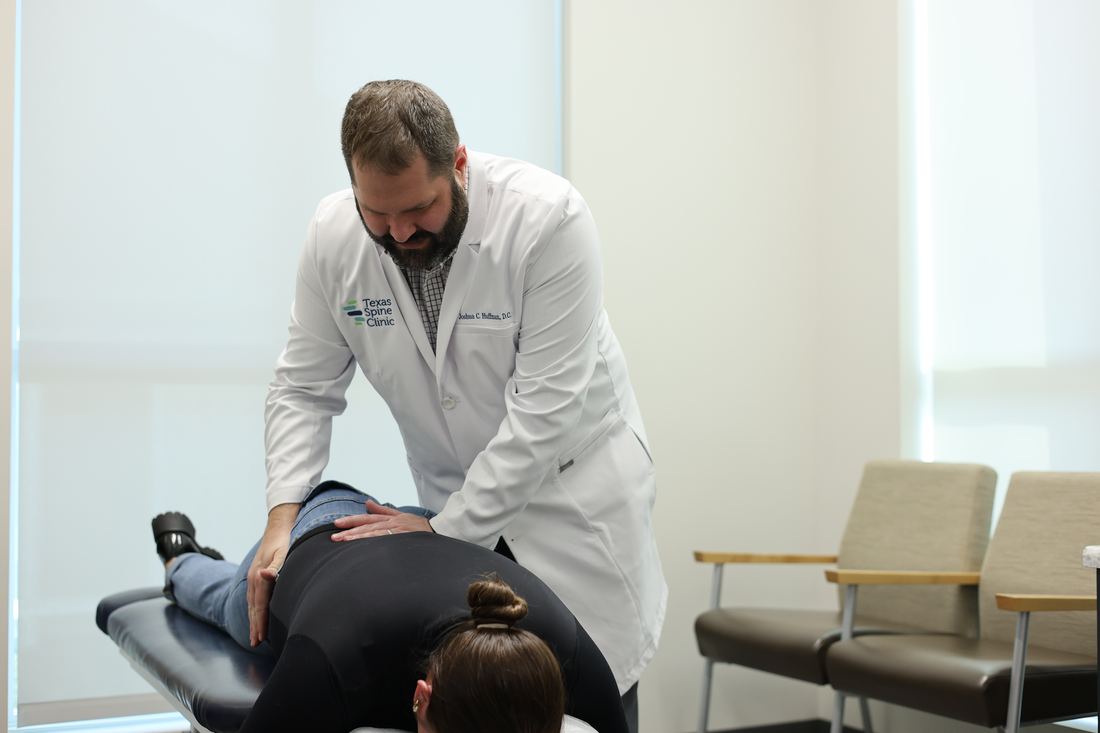
A crash loads the lower spine all at once. The muscles and ligaments get strained, the small joints at the back of the spine get irritated, and sometimes a disc is injured. It often shows up as a back that locks when you get out of the car, or pain that builds the longer you sit.
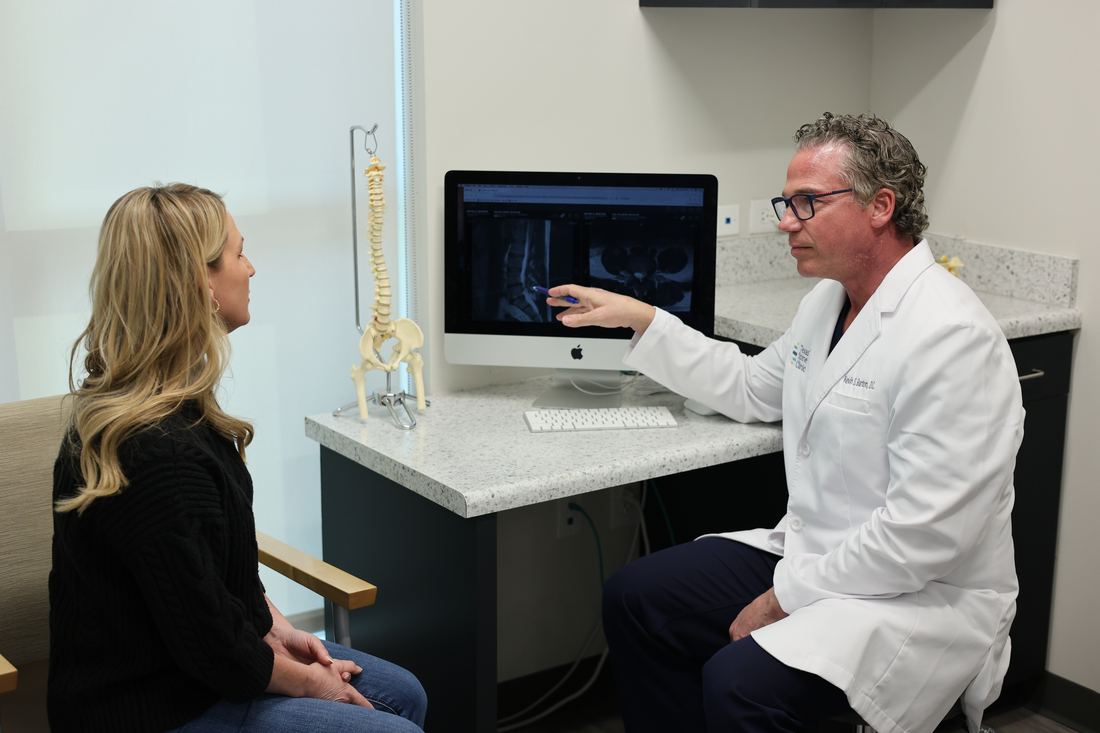
Your exam tells those apart. We check your motion, strength and reflexes, and take X-rays here if you need them. If the exam or your symptoms call for an MRI, we order and arrange it.
Book your no-cost injury evaluation More about lower back pain
Pain, numbness or tingling down an arm or leg
When pain or tingling travels into an arm or hand, or down a leg, a nerve in your neck or lower back is usually being irritated, often by an injured disc. Tell us about it at your first visit. This is the symptom most likely to call for an MRI, and we order and arrange it for you.
If the MRI shows a disc injury, spinal decompression on the DRX9000 is available here.
Go to an emergency room now if the weakness or numbness is getting worse, or if you lose control of your bladder or bowels.
Book your no-cost injury evaluation More about disc injuries
What a doctor does in the first days that nobody else can
- Rules out the dangerous things. Fractures, a head injury, a nerve under pressure. You want those found on day one, not in week three.
- Finds what adrenaline is hiding. A crash floods your body with adrenaline, and adrenaline covers pain. Many people feel worse on the second or third morning than they did at the scene. An exam checks your motion, strength and reflexes, so the injury is found even when the pain hasn’t fully arrived.
- Starts treatment while it counts. A sore neck that is guarded for a month heals stiff. A neck that is treated and kept moving heals flexible.
- Puts your injuries on record. What hurts, what the exam found, what the X-rays showed, all written down and dated within days of the crash.
If you have severe or worsening pain, numbness or weakness that is spreading, a headache that keeps getting worse, or chest or belly pain, go to an emergency room now. The full list of warning signs is in The first 72 hours after a car accident.
The problem: your own doctor may not see you
Most people’s first thought is to call their family doctor. Then they hear something they did not expect: “We don’t see car accident injuries.”
Many primary care offices turn accident patients away. A car wreck usually means an insurance claim, and sometimes a lawsuit, and a lot of family practices don’t want to be pulled into either one. It has nothing to do with you. It is how those offices are set up.
That leaves three places to go:
- The emergency room. The right place for anything that might be dangerous. Their job is to rule out fractures, bleeding and head injuries. Once they have, they send you home, usually with a prescription and instructions to follow up with someone else.
- Urgent care. Good for a quick look and a prescription. Like the ER, it is a single visit. Nobody there treats your neck and back over the weeks it takes them to heal.
- A clinic that treats car accident injuries every day. This is the one that examines you, treats you, and stays with you until you have recovered. It is what we do.
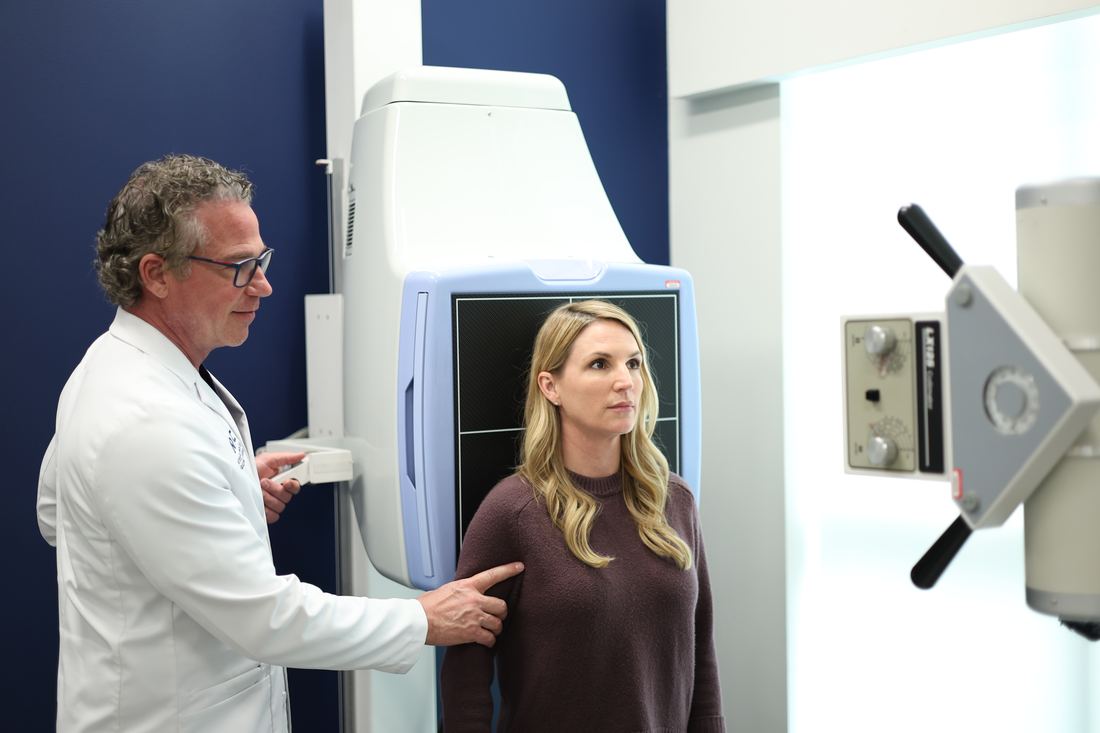
What is under our roof
Most accident patients need more than one kind of care, and a few need a lot more. We built the clinic so you don’t have to drive around San Antonio collecting it.
- Chiropractors. Your evaluation starts here: a full exam of your neck and back, and hands-on treatment for the strained muscles, ligaments and joints that most crashes leave behind.
- X-ray on site. Taken the same day when your exam calls for it.
- A nurse practitioner. When you need medication, a medical provider evaluates you here and can prescribe an anti-inflammatory, a short course of steroids, or a muscle relaxer.
- Pain management doctors. For the more serious injuries, our pain management physicians evaluate you in the same building and perform injections and other procedures here when they are warranted.
- MRI, ordered and arranged for you. When your exam or your symptoms call for one, we set it up.
- Spinal decompression. If imaging shows the crash injured a disc in your neck or back, the DRX9000 is here too.
The only thing we don’t do in our clinic is major surgery.
Most accident patients start with hands-on care and never need anything more. The point of having the rest in the building is that if you do need it, the step up happens here, with the people who already know your case.
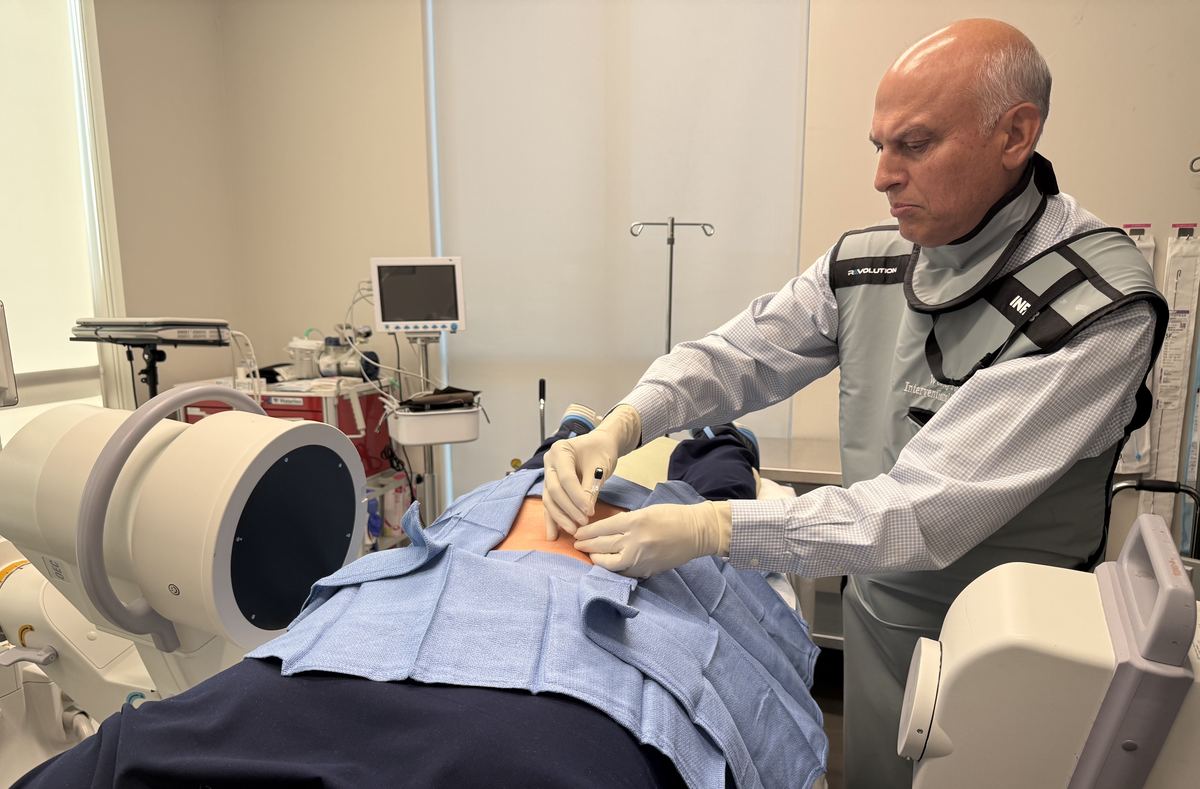
So where does the attorney come in?
After you have been examined. Some people hire an attorney the same week. Some never need one at all. Either way, you walk into that conversation knowing what is hurt, and that is a better place to make the decision from.
- You don’t need an attorney to be seen here. Your first visit costs you nothing out of pocket. We bill the coverage responsible for your accident.
- If you already have an attorney, that works too. We accept letters of protection, so your care goes forward without you paying up front.
- Your records get to your attorney without you chasing them. When your care is complete, we send them automatically.
Before you leave your first visit, Silvia, our practice manager, explains the differences between the coverages and which one applies to your accident.
The order that works
- Get examined. Today or tomorrow, not “if it gets worse.”
- Start care. The first weeks are when it does the most good.
- Then decide about an attorney, with your exam findings in hand.
Same-day appointments are held for accident patients, Monday through Thursday. Plan on about ninety minutes: your exam, X-rays if you need them, and your first treatment.
Book your no-cost injury evaluation
This article is educational and is not a substitute for an examination and diagnosis. Individual results vary and no outcome is guaranteed.