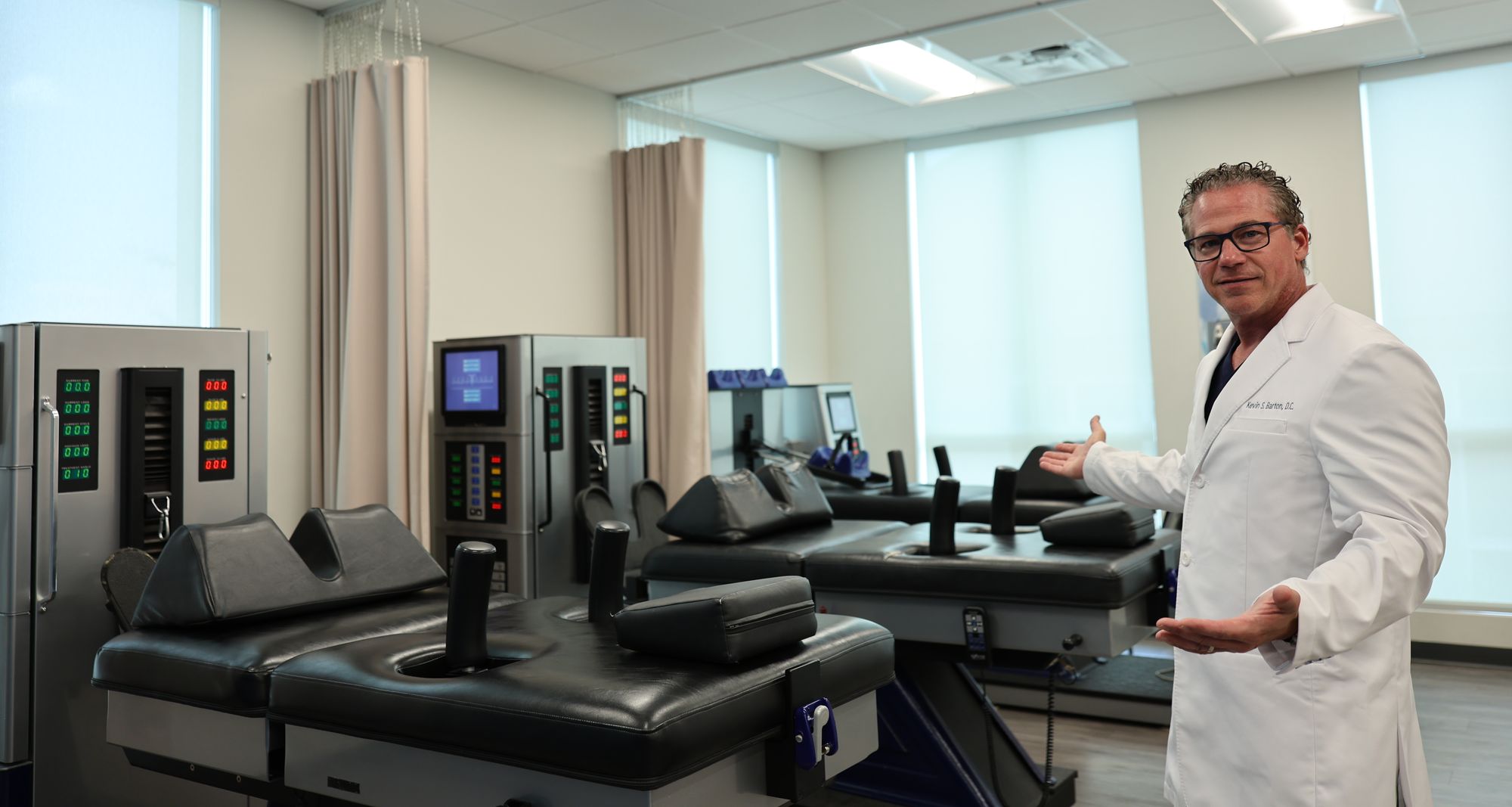
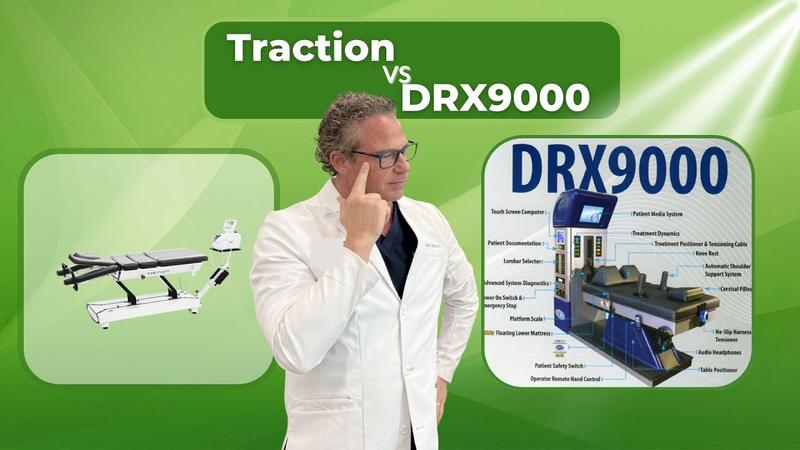
Dr. Kevin Barton in his white coat, gesturing toward the DRX9000 spinal decompression tables in the Texas Spine Clinic treatment room.

The research on spinal decompression

Does spinal decompression really work?Here's what the research found.

The research on spinal decompression is published, in medical journals, with names on it. This page lays it out study by study: what researchers measured inside the disc, what happened to the discs themselves, and what happened to the people lying on the table.

23 years in practice
21 years using the DRX9000
2,000+ patients treated on it
FDA cleared

How it works, in one minute

What decompression does inside the disc

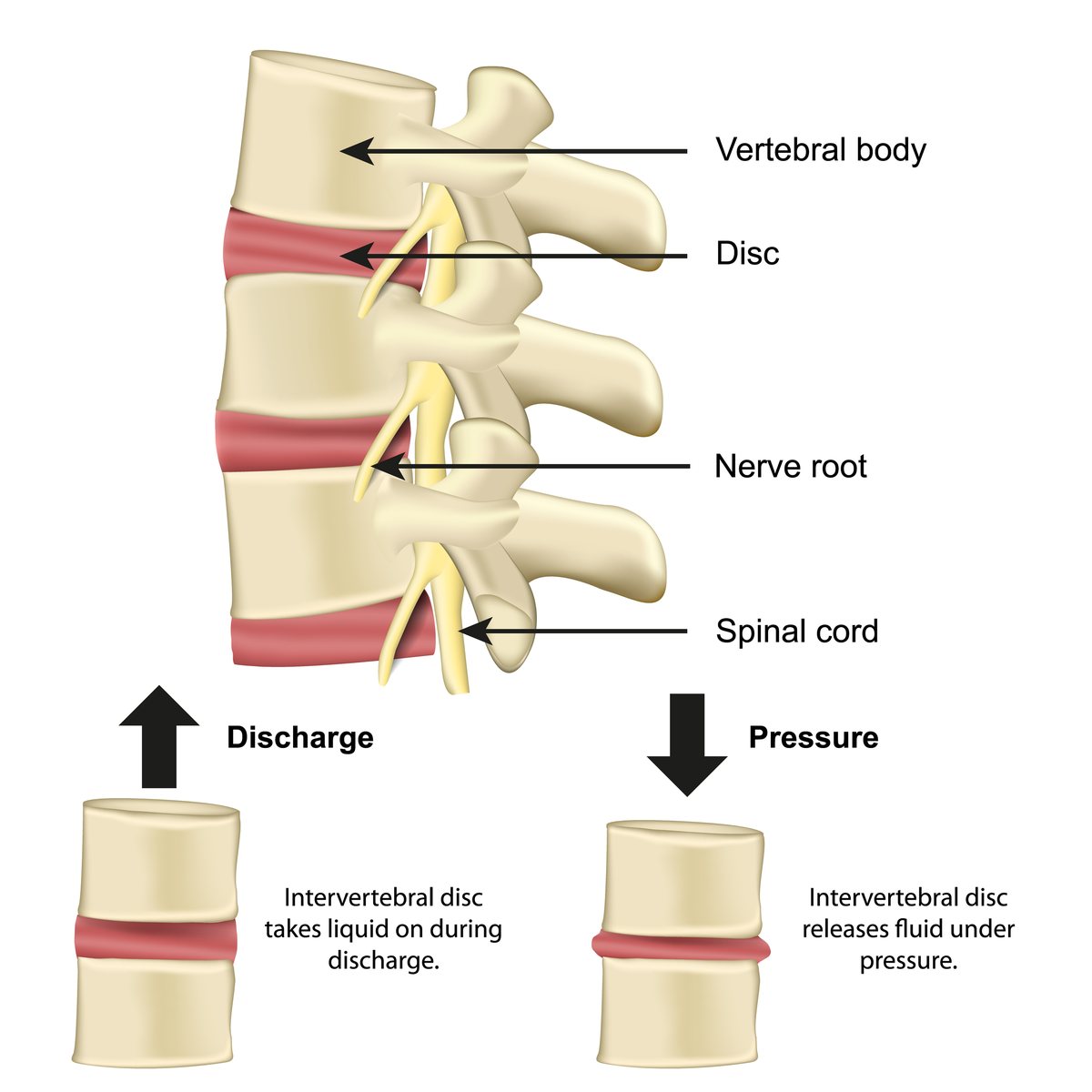
Your discs have almost no blood supply of their own. They feed by pressure: when a disc is squeezed, fluid goes out; when the pressure comes off, fluid, oxygen and nutrients come back in. A herniated disc spends all day being squeezed: sitting, standing, bending, lifting. It rarely gets a break long enough to soak fluid back in.

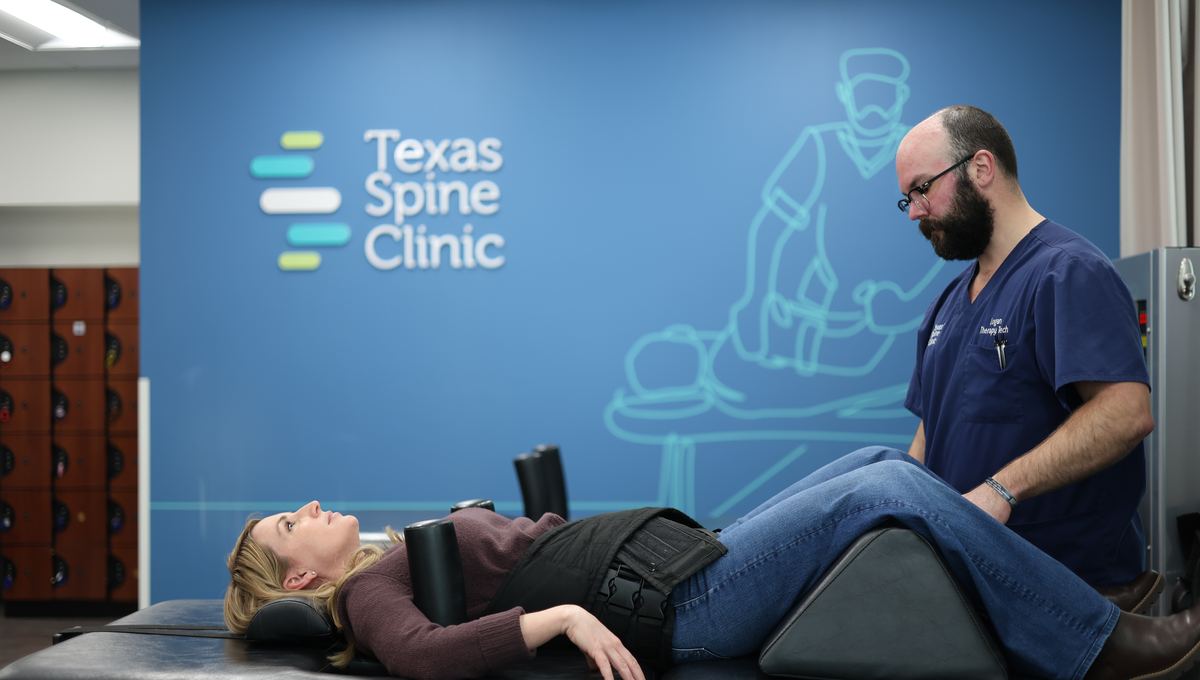
The DRX9000 is an FDA-cleared, computer-controlled decompression system. You lie on it fully clothed, fitted into a harness, for about 25 to 30 minutes. It applies a slow, precise pull, aimed at the level of your disc, at an angle chosen for where your disc went. It measures your resistance many times a second and stays below the point where your muscles tense up and fight it.

That unloading drops the pressure inside the disc below zero, a vacuum effect. Fluid is drawn back toward the center of the disc, and herniated material can begin to pull back off the nerve.

Most people find it comfortable. A lot of them fall asleep.

Illustration of lumbar vertebrae, discs, nerve roots and spinal cord, with two smaller diagrams below: a disc taking fluid in when the load comes off, and the same disc releasing fluid under pressure.
When weight presses down on a disc, fluid is squeezed out of it. When the weight comes off, the disc soaks fluid back in. Decompression takes the weight off, so the disc can rehydrate and take in nutrients again, and it helps a herniation shrink faster, which takes pressure off the nerve.
A patient lying fully clothed on the DRX9000, harnessed at the hips, during a decompression session.
Fully clothed, harnessed at the hips, about 25–30 minutes. The pull is aimed at the level of your disc.

The research

Six studies. What each one found.

Here is the published research on spinal decompression that we stand on. For each: who did it, what they measured, and what it means for you in plain English.

1

Journal of Neurosurgery, 1994Ramos & Martin

The vacuum, measured

What they did
Placed pressure sensors inside the lumbar discs of patients during decompression.
What they found
−100 to −160mm Hg inside the disc
A true vacuum, recorded inside a living human disc. The pressure fell further as the pull was adjusted, which tied the effect directly to the treatment.

What it means for youThe "vacuum effect" isn't a sales phrase. It was measured, and published in one of the most respected neurosurgery journals in the world.

Citation 1 ↓
2

International Journal of Clinical Practice, 2022Choi et al., Seoul National University Bundang Hospital

Real treatment against a sham

What they did
A randomized, sham-controlled trial. Sixty patients with a herniated disc and leg symptoms got either real decompression or an identical-looking treatment with the pull switched off. Nobody was told which one they got.
What they found
Herniation size on MRI, three months later. In more than a quarter of treated patients, the herniation shrank by half or more. That happened to nobody in the sham group. Leg pain and day-to-day function also came out better with the real treatment.

What it means for youThis is the study design medicine trusts most. The herniation itself got smaller, measurably, beyond anything the sham did.

Citation 2 ↓
3

BMC Musculoskeletal Disorders, 2010Apfel et al.

Discs regained height

What they did
Scanned 30 patients' discs on CT before and after a six-week DRX9000 program.
What they found
7.5 → 8.8 mmaverage disc height
Pain fell from 6.2 to 1.6 out of 10. And the two changes were linked: discs gained height as pain came down.

What it means for youA compressed disc is a flattened disc. This study measured the opposite happening on the DRX9000.

Citation 3 ↓
4

Egyptian Rheumatology & Rehabilitation, 2019El-Zayat et al.

Decompression against conventional traction

What they did
Compared 73 patients with disc herniations and radiating leg pain. One group had a 20-session DRX9000 program. The other had physiotherapy: heat, TENS and conventional traction.
What they found
Patients whose radiating leg pain improved. Discs gained an average of 2.3 mm of height on MRI in the decompression group. The physiotherapy group's discs barely changed.

What it means for youThis is the "isn't it just traction?" question, tested directly. It is also an independent study: no industry funding of any kind.

Citation 4 ↓
5

Military Medicine, 2025Schueren et al., University of South Florida

The largest series, across working clinics

What they did
Reviewed the records of 267 patients treated with decompression at multiple clinics that use the DRX9000.
What they found
6.9 → 2.5average pain, out of 10
Among patients whose neurological exam was abnormal at the start, about three out of four had improved reflexes, strength or sensation afterward. Walking, sitting and standing improved too.

What it means for youThese are ordinary patients at ordinary clinics, not a hand-picked lab group, and the results held up across all of them.

Citation 5 ↓
6

Pain Practice, 2008Macario et al.

The first study of the DRX9000 by name

What they did
Reviewed 94 patients with long-standing disc-related back pain treated on the DRX9000, the first published study to name the machine.
Who was in it
People who had lived with their pain for years, and about one in eight who had already had back surgery.

What it means for youIf you've had surgery and still hurt, you are exactly the kind of patient decompression has been studied in. After back surgery →

Citation 6 ↓

A vacuum measured inside the disc. Herniations shrinking more than with a sham. Discs regaining height. Leg pain easing in comparison after comparison. That is what the research on spinal decompression found.

The pattern in the research

Where decompression shines: a disc pressing on a nerve

Read those six studies side by side and one pattern stands out. The strongest results are in the symptoms a pinched nerve causes: the pain that shoots down the leg, the numbness in the foot, the toe that won't lift.

In the randomized trial, leg pain and function came out ahead of the sham. In the traction comparison, radiating leg pain improved in about five out of six patients. In the largest series, about three in four patients with abnormal nerve findings had improved reflexes, strength or sensation.

That makes sense. Decompression is a mechanical treatment for a mechanical problem: a disc pushing on a nerve. Take the pressure off the disc, and the nerve gets room.

Three questions skeptics ask

The questions you're probably asking. Answered.

"Isn't it just traction with a fancy name?"

Same family. Different animal.

Hang from a pull-up bar or lie on an inversion table and you pull your whole spine bluntly, in one direction, with no way to target a level and no way to control the force. Your muscles feel the yank and fight it. That guarding reflex is exactly what makes plain traction disappointing.

The DRX9000 measures your resistance and adjusts its pull continuously, many times a second, to stay below the point that triggers the reflex. It targets one disc level at a chosen angle. And the force is set by hand for your case and changed as you respond. It starts gently and builds over weeks, never all at once.

The research tested this head to head. In the comparison of the DRX9000 against physiotherapy with conventional traction, radiating leg pain improved in about five out of six decompression patients and about one in five with traction and physiotherapy. The discs told the same story: measurable height gained with decompression, almost none with traction.

"Won't a herniated disc heal on its own?"

Sometimes, yes. Discs can shrink on their own, and oddly, the big ones often do. We'll tell you that ourselves.

The question is how long it takes, and what the waiting costs you.

Natural shrinking is measured in months to years, not weeks. That's a long time to sleep in a recliner, stand through meetings, and give up picking up your kids. And a nerve that stays compressed can lose function. The longer the pressure stays on, the slower it recovers, and sometimes it doesn't come all the way back. Nobody can tell you in advance whether your disc is one of the ones that will shrink in time.

Most of the people we see have already given it that time. They're not six weeks in. They're two, five, ten years in.

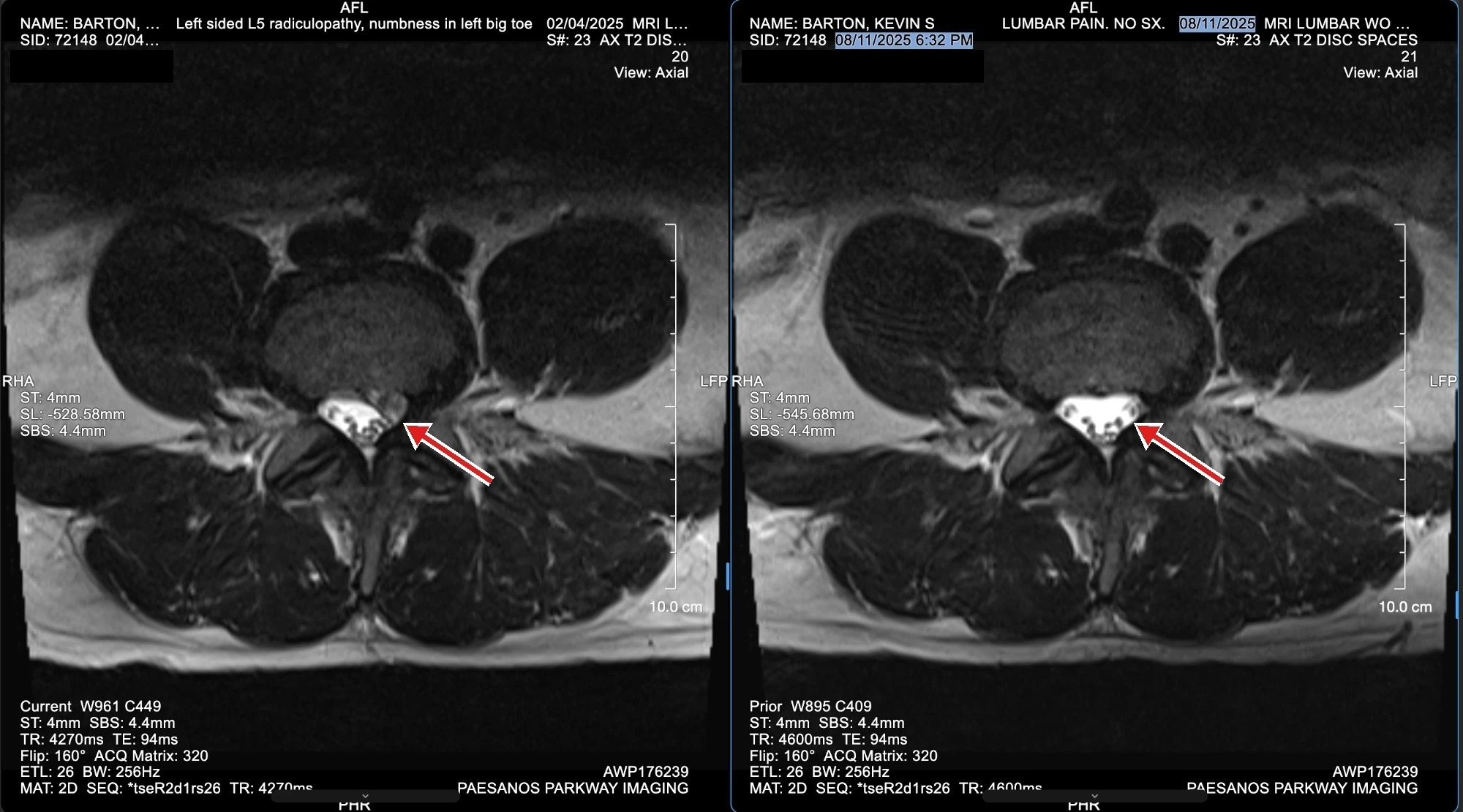
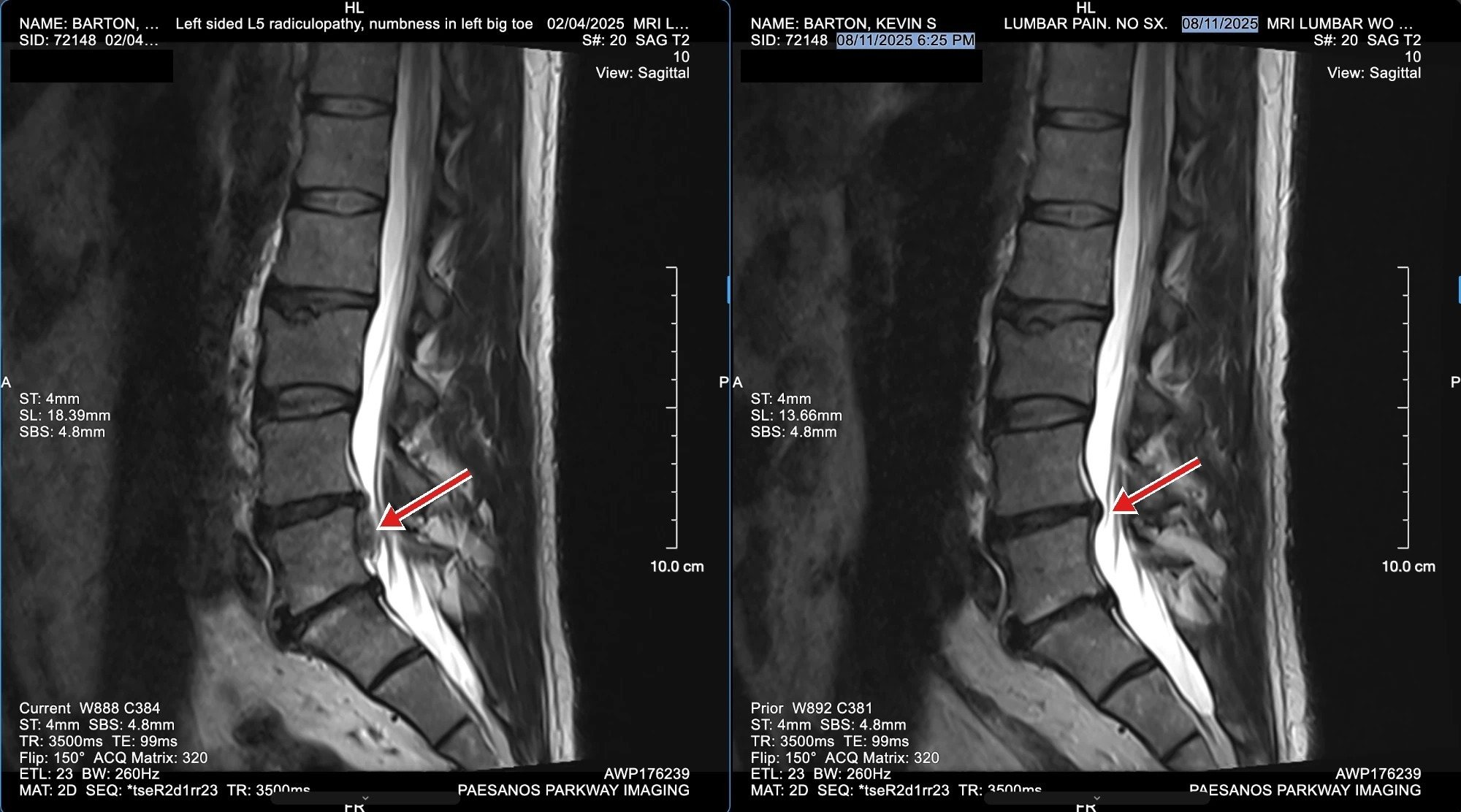
Dr. Barton's own disc. In February 2025, his MRI showed a 15 mm disc extrusion at L4-L5, crushing the nerve to his left leg. His big toe had gone dead. He couldn't walk on his heel. In his words, waiting for it to resorb "probably would have taken at least a year, maybe longer. Meanwhile, the nerve would have been permanently damaged."

He treated it on the DRX9000. Within two weeks he had control of his big toe back. By three weeks he could heel-walk. His follow-up MRI in August 2025 showed the extrusion gone. He filmed the whole thing.

Watch his series
Dr. Barton's own lumbar MRI, side view. Left, February 2025: a red arrow marks a large L4-L5 disc extrusion pressing into the spinal canal. Right, August 2025: the same level after his course on the DRX9000.
Dr. Barton's own MRI. February 2025: the red arrow marks the 15 mm L4-L5 extrusion. August 2025: the same level after his course on the DRX9000.
Dr. Barton's own lumbar MRI in cross-section at L4-L5. Left, February 2025: the extrusion marked against the left nerve root. Right, August 2025: the same level after his course on the DRX9000.

"My doctor never mentioned this," or called it unproven

You're not the first person to hear that, and it's worth understanding why.

Decompression happens in a different kind of clinic from the one your physician works in. Most physicians have never watched a session, and nobody sends them the follow-up MRIs. It's hard to recommend something you've never seen.

The research on this page was done in university hospitals and published in medical journals, including a randomized trial against a sham. The citations and links are at the bottom.

Maybe the bigger reason you're here isn't what your doctor said. It's that everybody knows somebody whose back surgery went wrong, and you'd like to try everything else first. Dr. Barton felt the same way about his own disc: he'd have had surgery only if he hadn't started improving on the DRX9000.

And one thing is always true here: nothing we do takes surgery off the table. Nothing is cut, nothing is fused, nothing is implanted. If you ever need another option, every door is still open.

What we stand behind

The machine matters. So does who runs it, and who they put on it.

Research tells you what a treatment can do. What it does for you depends on two things the studies can't hand you: the right patient, and a clinic that knows how to run the protocol.

Your MRI before any plan

A disc can't be diagnosed from an X-ray, because an X-ray can't show one. We need an MRI, or a CT if you can't have an MRI. Then we put it on the screen and go through the pictures with you, not just the report.

Screened the way a surgeon screens

The exam decides who is treated, and "no" is an answer we give.

"I can't tell you how many patients I've turned away from this treatment that were begging for me to take their money." — Dr. Barton

A protocol set by hand, for 21 years

Angle, level and force curve are set for your case and adjusted as you respond. We've run the DRX9000 since 2005, on more than 2,000 patients.

A checkpoint at week two

Around sessions 8 to 10 we measure where you are: how bad the pain is, how often it comes, and what you can do (stand, sit, walk) compared with day one. You and we both know early whether it's working.

You'll get published studies from us, not a success percentage. And your investment is in writing before your program begins, and you pay only for care you receive.

Candidacy

Who we won't treat

The research above is about the right patient. These are the patients it isn't for, and we'll tell you at the exam if you're one of them.

  • Fusion or hardware at the level we'd be treating. No exceptions. (A level next to a fusion is evaluated case by case.)
  • Severe osteoporosis. If you've been told you have it, we'll send you for a bone-density scan first.
  • Severe bony spinal stenosis. We'll refer you to the right specialist.
  • An unstable spondylolisthesis: a slipped vertebra that moves more than 5 mm on bending X-rays. We take those X-rays to check.
  • Mid-back (thoracic) problems. The rib cage prevents the spine there from stretching. Those go to our chiropractic care instead.
  • A disc fragment that has broken free can be a reason not to treat, depending on your symptoms and its size. Your MRI tells us.
Had a discectomy or laminectomy without hardware? You can absolutely be a candidate. We treat patients after back surgery all the time. After back surgery →

Questions

What people ask next

How many sessions does it take?

Most programs run 20 to 25 sessions over 6 to 8 weeks, about the same length as the programs in the studies above. A disc has almost no blood supply, so it changes slowly, with repetition. The program is decompression plus core strengthening; both halves matter.

Does it hurt? Is it safe?

Most people find it comfortable, and many fall asleep. No serious harms were reported in the published studies.

Safety is built into the machine itself. The DRX9000 runs a continuous feedback loop: it measures your resistance many times a second, and if your muscles start to tighten or guard, it automatically eases the force to keep you relaxed. The pull never fights you.

Some people feel muscle soreness in the first few sessions; we adjust the force as you go. It starts gently and builds over weeks.

Is the DRX9000 FDA-cleared?

Yes. The DRX9000 is FDA-cleared.

What does it cost? Does insurance cover it?

The decompression program isn't a covered benefit. If you carry a commercial health plan, we can usually generate an insurance credit through it, which we apply against your cost. How big that credit is depends on your specific benefits. You'll have your exact number, with the credit already calculated, in writing before you commit.

Can you treat my neck?

Yes. The neck program follows the same structure, with much gentler force: it starts at 5% of your body weight and builds about 1% a visit. And you never have to have your neck adjusted to have decompression. Neck pain →

Will the results last?

Rehabilitation is built into the program: core strengthening is what protects your result. After the program, we recommend periodic maintenance sessions to take pressure off the spine from time to time, the same way a dentist recommends cleanings. Sitting, standing and lifting keep squeezing your discs every day; maintenance sessions take that pressure off again so they can keep soaking fluid back in.

I've already had back surgery. Can I still do this?

Often, yes. After a discectomy or laminectomy without hardware, you can absolutely be a candidate. A level with a fusion or hardware can't be treated; levels next to it are evaluated case by case. After back surgery →

The reading list

The studies, with links

Every study on this page, with a link to the journal. Read them for yourself.

  1. Ramos G, Martin W. Effects of vertebral axial decompression on intradiscal pressure. Journal of Neurosurgery 1994;81(3):350–353. doi:10.3171/jns.1994.81.3.0350
  2. Choi E, Gil HY, Ju J, Han WK, Nahm FS, Lee PB. Effect of nonsurgical spinal decompression on intensity of pain and herniated disc volume in subacute lumbar herniated disc. International Journal of Clinical Practice 2022;2022:6343837. doi:10.1155/2022/6343837
  3. Apfel CC, Cakmakkaya OS, Martin W, et al. Restoration of disk height through non-surgical spinal decompression is associated with decreased discogenic low back pain: a retrospective cohort study. BMC Musculoskeletal Disorders 2010;11:155. doi:10.1186/1471-2474-11-155
  4. El-Zayat AR, Gomah W, Aldesouky AH. Spinal decompression therapy as an alternative modality for management of low back pain and radicular pain caused by lumbar disc herniation or protrusion. Egyptian Rheumatology and Rehabilitation 2019;46(3):183–188. doi:10.4103/err.err_34_18
  5. Schueren S, Luginsland LA, Ariza Medina G, Schilaty ND. Retrospective chart review of nonsurgical spinal decompression as a therapeutic modality for low back pain. Military Medicine 2025;190(Suppl 2):134–140. doi:10.1093/milmed/usaf116
  6. Macario A, Richmond C, Auster M, Pergolizzi JV. Treatment of 94 outpatients with chronic discogenic low back pain with the DRX9000: a retrospective chart review. Pain Practice 2008;8(1):11–17. doi:10.1111/j.1533-2500.2007.00167.x

Your turn

See what your own MRI says.

The research tells you what decompression can do. Your exam and your MRI tell us whether it's right for you. Call (210) 741-9166 or book below. The $49 DRX9000 consultation includes your exam, X-rays if needed, and, if the exam says you're a candidate, your first decompression treatment.

  1. Visit one: your $49 DRX9000 consultation. History, examination, and your first session on the DRX9000 if you're a candidate. If you don't have an MRI yet, we'll send you for one.
  2. Visit two: your MRI on the screen. We go through the pictures with you, give you a straight answer, and put your investment in writing, with your insurance credit calculated.
  3. Your program starts. Decompression plus strengthening, with a checkpoint at week two.

Book your $49 DRX9000 consultation

No referral needed. Same-day appointments available.

Calendar not showing? Open it in a new tab.
Rather book by phone? Call (210) 741-9166.