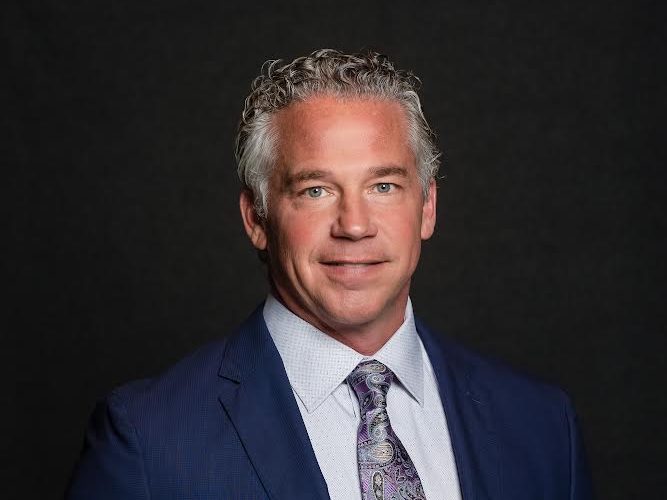
Kevin S. Barton, D.C.
Doctor of chiropractic
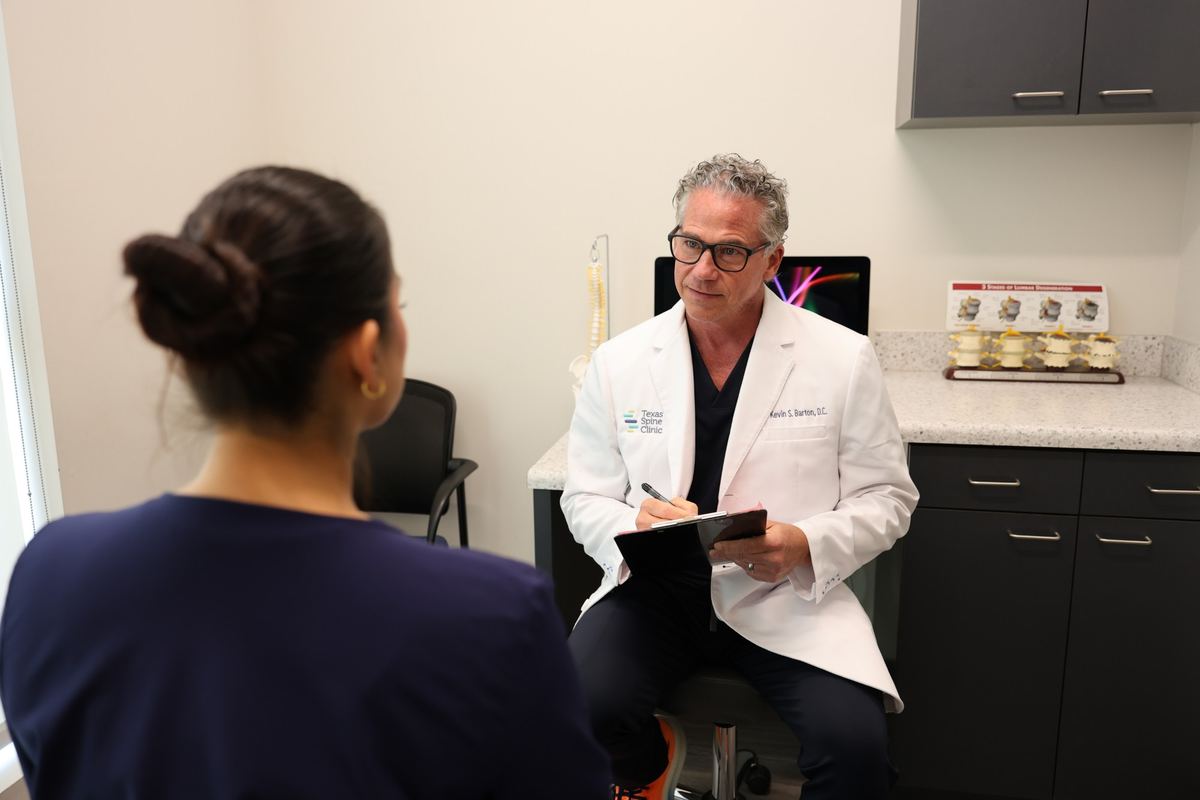
In practice in San Antonio since 2003. The chiropractic exam, adjustments, hands-on treatment and rehab, and the DRX9000 decompression program.
For attorneys & case managers · San Antonio
When a client of yours is hurt in a wreck, we can see them the same day. A chiropractor examines them on the first visit, our nurse practitioner sees them that same day if the injury calls for medication, imaging is ordered and arranged when the exam or the symptoms call for it, and interventional pain management is in the same building — start to finish, without sending your client from office to office.
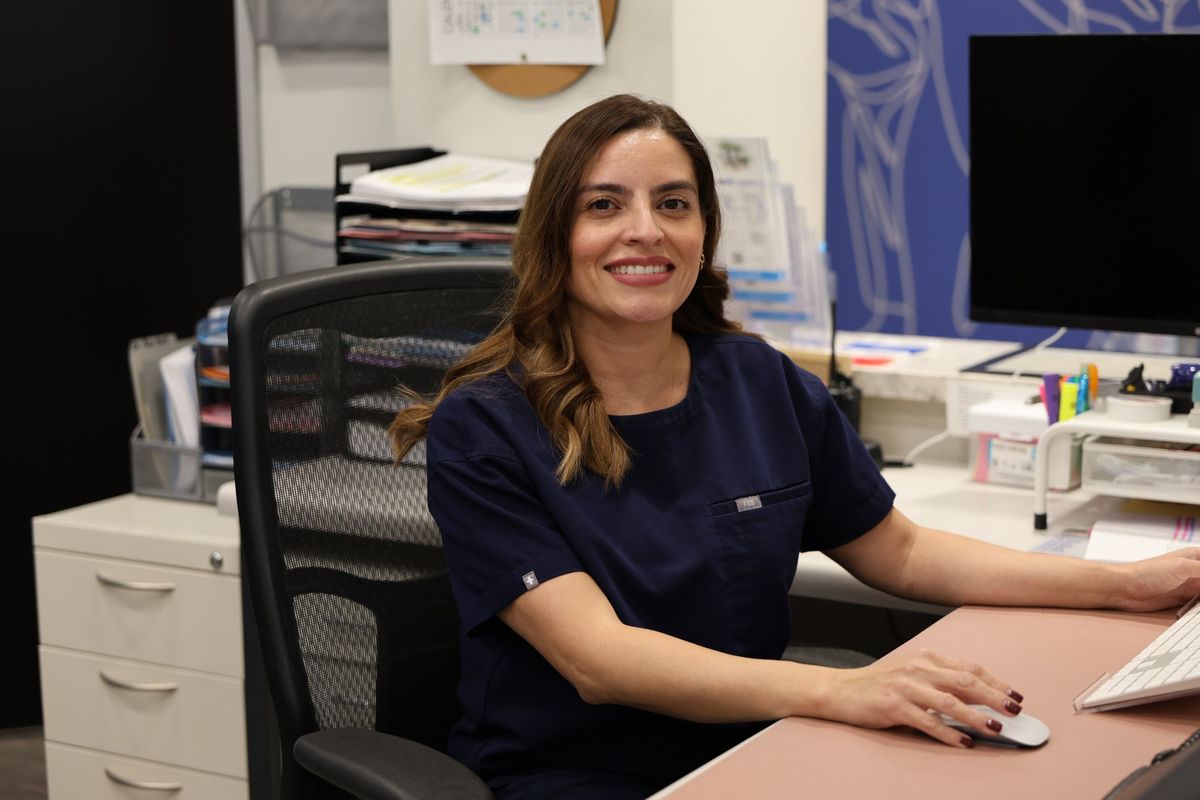
Ask for Silvia, our practice manager. Monday–Thursday, 8 a.m.–5 p.m.
What your client gets
Recovering from a wreck can take more than one kind of care. At Texas Spine Clinic it all happens under one roof, so your client isn't sent across town between providers — and the record isn't scattered across five offices.
The record
We document the way we practice: every finding written down, every decision tied to a finding. The record is written for the patient's care first, which is exactly why it reads clearly to anyone who reviews it later.
Direction of impact, where the patient was sitting, the vehicle, where it hurts and when it started.
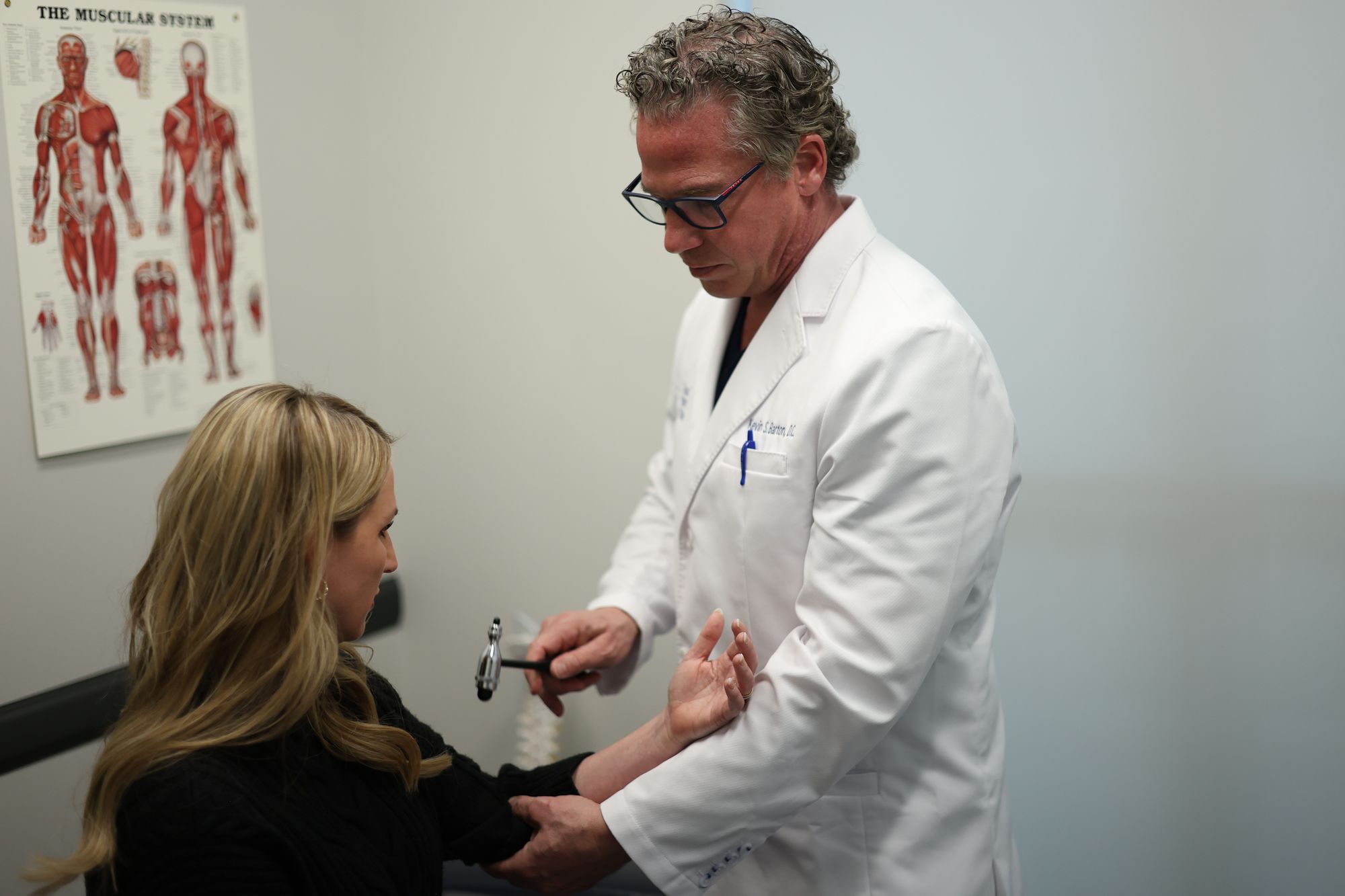
Range of motion, which movements provoke pain, reflexes and strength — and, when the nurse practitioner sees the patient, her findings in the same chart.
Given at the initial exam and at follow-ups.
The plan changes as the patient changes, and the chart says why.
Pain severity, pain frequency and daily function — standing, walking, sitting tolerance — compared against day one.
The MRI is ordered from exam findings and reviewed with the patient on the screen.
Care runs until the exam shows your client has recovered as far as this injury is going to let them. For many patients that is back to where they started; for some it isn't, and the record says so.
Working with your office
We accept letters of protection for car-accident patients. Send yours over and we'll take it from there.
Email isn't a secure channel, so please keep clinical details out of it — send those by fax to (210) 545-5120, or call (210) 741-9166.
Our standards
Every patient is examined before treatment is planned, and the plan follows the findings.
Most accident patients begin with hands-on chiropractic care. If the injury calls for medication, one of our pain management doctors or our nurse practitioner sees them right away to get that started, and we track how they respond at each re-evaluation.
We have X-ray on site and take films on almost every accident patient, including clients who haven't had any yet. Advanced imaging — MRI or CT — follows the symptoms: we order it when the extent of the injury, the findings at re-exam, or a lack of improvement calls for it.
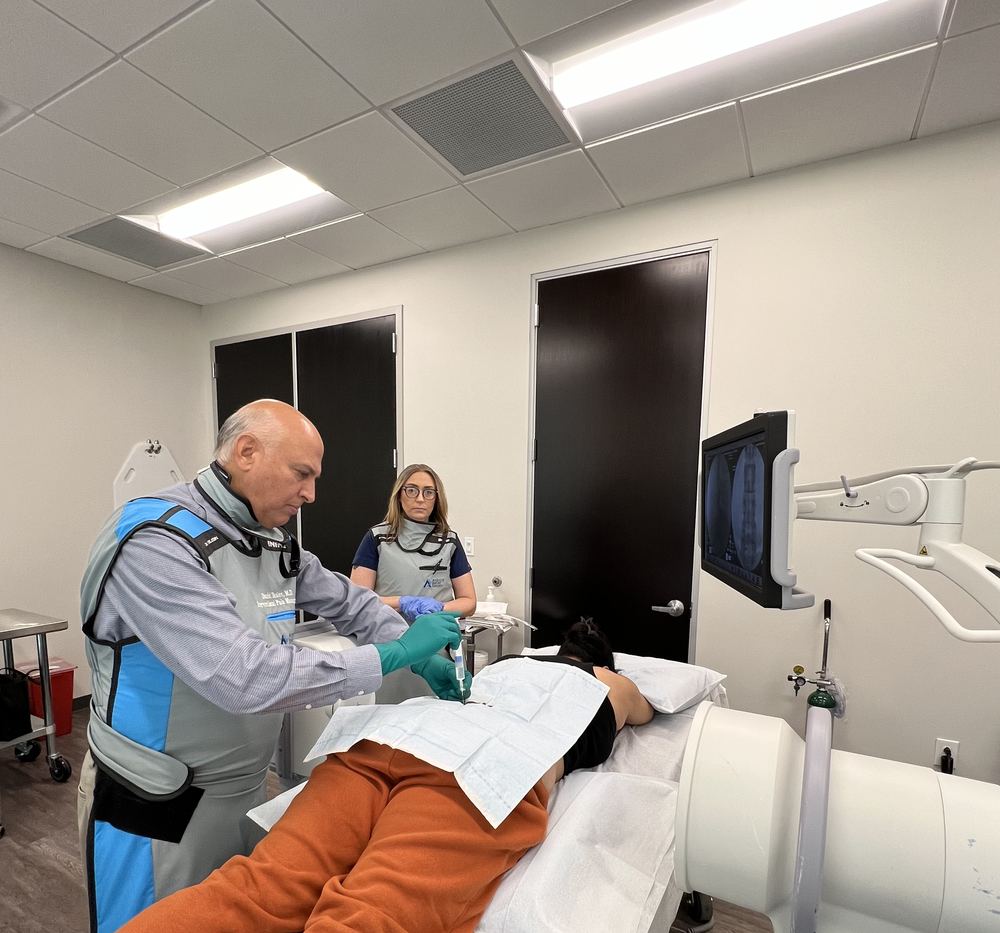
When the MRI findings and the severity of the symptoms warrant it, our pain management department takes that part of the care, which may include an interventional procedure.
We watch how pain and function answer the treatment. If they don't come along the way they should, the patient may be referred to an outside specialist, such as an orthopedic surgeon or a neurosurgeon.
Every visit is documented as it happens — findings, what was treated, and how the patient is responding.
Treatment ends when the patient reaches maximum medical improvement — the point where the exam shows they have recovered as far as this injury is going to let them. For many patients that is back to where they started. For some it isn't, and we say so plainly in the record.
The goal, in every case, is to get your client back as close to pre-injury status as possible. How close depends on what was damaged. Some injuries come all the way back; with others, despite everyone's best work, part of it stays with the patient for life. We'll tell you what we're seeing as we go.
Who does what
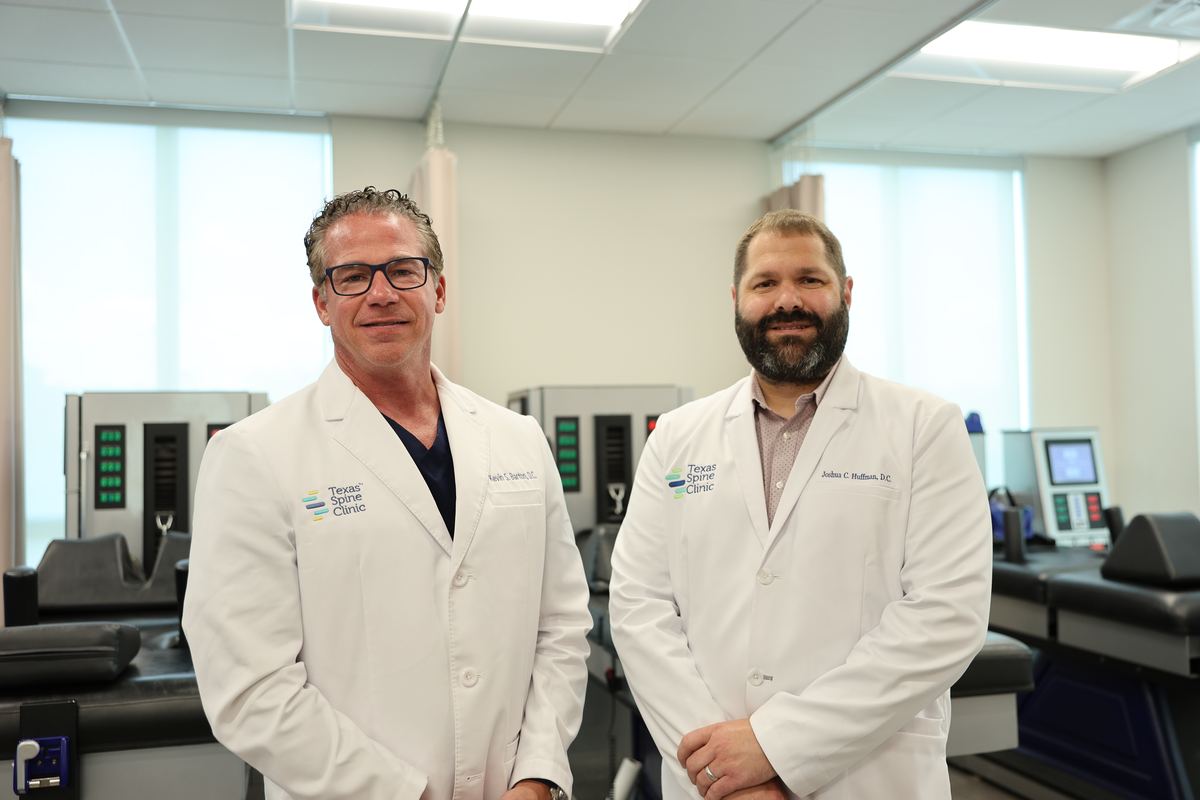
Chiropractic care — the exam, the treatment, the decompression program
Doctor of chiropractic
In practice in San Antonio since 2003. The chiropractic exam, adjustments, hands-on treatment and rehab, and the DRX9000 decompression program.
Doctor of chiropractic
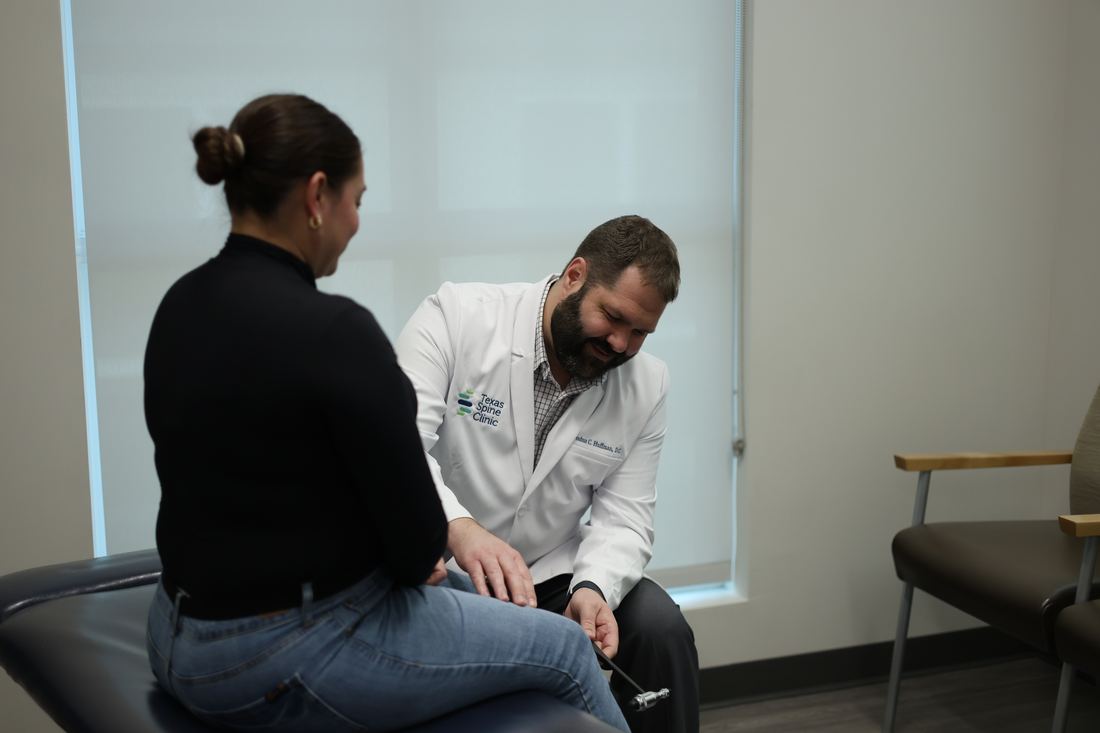
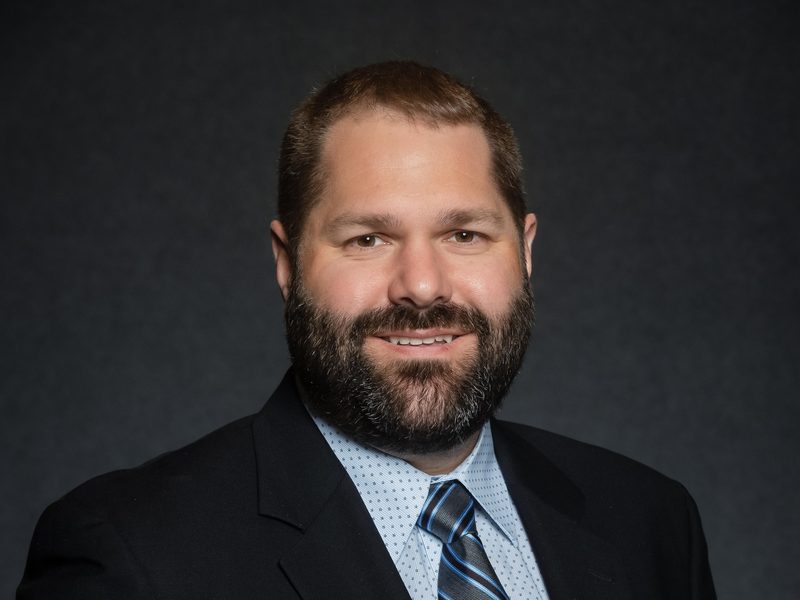
In practice since 2007. Sees accident patients for the exam, adjustments, hands-on treatment and rehab, and manages decompression cases alongside Dr. Barton.
Medical care — same building, when the injury calls for it
Nurse practitioner
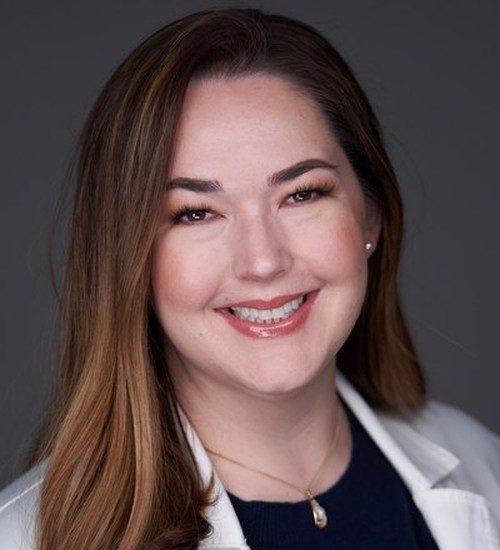
Board-certified acute care nurse practitioner. When an injury calls for medication, she sees the patient that same day, in the same building.
Pain management physician
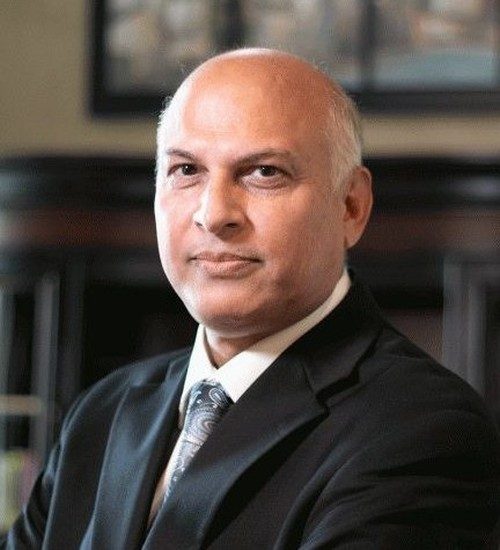
Board-certified anesthesiologist, fellowship-trained in pain management (residency, SUNY Buffalo; fellowship, University of Rochester), practicing medicine since the early 1990s. Performs injections and interventional procedures here.
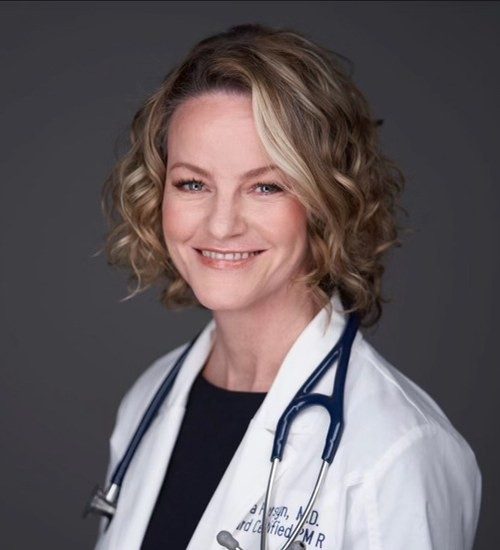
Physical medicine & rehabilitation
Board-certified in physical medicine and rehabilitation (M.D., UT Health Science Center San Antonio; residency, Baylor College of Medicine). Performs interventional procedures here alongside Dr. Singh.
For referring offices
Yes. Call (210) 741-9166 and ask that your client be seen right away. You can also ask for Silvia, Dr. Huffman or Dr. Barton.
No — not at the first visit. We bill the coverage responsible for the accident, and we accept letters of protection.
Yes, for car-accident patients. Fax the letter to 210-545-5120 or email it to Dr. Huffman or Silvia. Where to send it →
Praful C. Singh, M.D., and Lisa D. Persyn, M.D., perform them here. Dr. Singh is board-certified in anesthesiology and fellowship-trained in pain management; Dr. Persyn is board-certified in physical medicine and rehabilitation. Most accident patients start with hands-on care, and the exam and imaging decide whether someone needs injections.
When the exam or the patient's symptoms call for one, we order it and arrange it, then review the images with the patient.
When the injury calls for it. A chiropractor examines every accident patient. If the injury calls for medication, our nurse practitioner, Meredith Reynolds, ACNP-BC, or one of our pain management physicians — Praful C. Singh, M.D., and Lisa D. Persyn, M.D. — may evaluate them as well. If the case needs it later in care, an interventional pain procedure is performed here by Dr. Singh or Dr. Persyn.
It depends on the extent of the injury. Progress is measured at each re-exam, and care continues until your client reaches maximum medical improvement — the point where the exam shows they have recovered as far as this injury is going to let them. For many patients that is back to where they started; for some it isn't, and we say so in the record rather than treating past the point of benefit.
Yes. Tissue that healed stiff can still be treated, and a disc injury can still be found.
You don't have to. Records go out automatically once your client reaches maximum medical improvement and finishes their final exam. If you need them before that — for a demand, a filing deadline, or anything else — email Silvia at silvia@texasspineclinic.com or Dr. Huffman at joshua@texasspineclinic.com and we'll send what you need.
Refer a client
Call (210) 741-9166 and ask for Silvia, our practice manager. She'll schedule your client — same day, Monday–Thursday — and keep your office in the loop from there.
Texas Spine Clinic · 3212 Napier Park, San Antonio, TX 78231
Monday–Thursday, 8 a.m.–5 p.m. · 20+ years in San Antonio