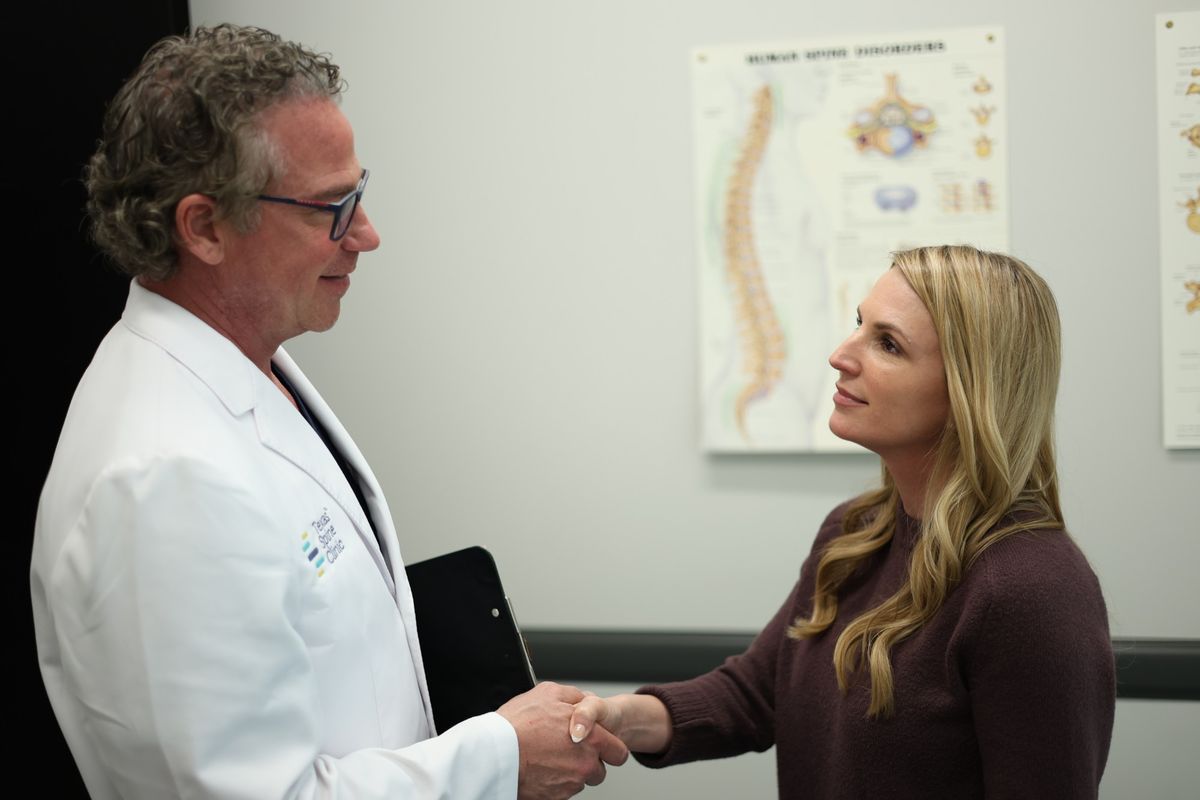
After a wreck · A step-by-step from doctors · San Antonio
Just had a wreck?Here's what to do — in order.
Your hands are still shaking. The car's a mess, your phone won't stop ringing, and everyone keeps asking if you're okay. You probably said yes.
This page walks you through it: at the scene, the first 24 hours, the first 72 hours, and the first two weeks. It's protective advice from doctors, not legal advice — the things that protect your health and your record while you still have the chance.
If you only do one thing this week: get examined, even if you feel fine. Your injury evaluation costs you nothing out of pocket, and we hold same-day appointments for accident patients.
Jump to: At the scene · First 24 hours · The adjuster call · First two weeks · When to go to the ER · Who pays
At the scene
First, make sure everyone is safe.
Then, if you're able:
- Get out of traffic if the cars can be moved, and turn on your hazards.
- Call the police so there's a report. Get the officer's name and the report number before you leave.
- Swap information with the other driver: name, phone, insurance company, policy number, license plate. A photo of their insurance card and license is fastest.
- Take pictures. Both cars from every side, the intersection or lane, skid marks, debris, traffic signs — and your own face, arms or chest if anything is red or marked.
- Get witnesses' names and numbers. People leave fast. A name and a number is enough.
- When someone asks if you're hurt, say you don't know yet — you're going to get checked. That's the accurate answer. Adrenaline is a painkiller, and it wears off.

Keep in your
glove box
After a wreck: at the scene
- Get out of traffic if you can. Hazards on.
- Call the police. Get the officer's name and report number.
- Swap info: name, phone, insurance company, policy number, license plate. Photo their insurance card and license.
- Take pictures: both cars, every side, the scene, and any marks on you.
- Witnesses: a name and a number is enough.
- Asked if you're hurt? "I don't know yet. I'm getting checked."
Why you feel fine (for now)
"I felt fine at the scene" is the most common thing accident patients tell us.
You told the EMTs you were fine. You drove home, or got a ride. Then the next morning you couldn't turn your head.
That delay is normal. In a crash, your body floods with adrenaline — it's built to get you out of danger, and it covers pain while it does. Meanwhile, muscle and ligament in your neck and back got stretched faster than they could brace, and swelling moves in over the next hours and days. For a lot of people, the second or third morning is worse than the first.

What it usually feels like, in the first days
- A stiff neck that won't turn all the way to one side
- Headaches that start at the base of the skull
- Soreness across the shoulders and upper back
- A low back that locks up getting out of the car
- Trouble getting comfortable at night
- Feeling foggy, off, or just "not right"
None of that means you're exaggerating, and none of it means you should wait to see if it goes away.
The weeks right after a crash are when care has the most say in how you heal — while the body is still laying down new tissue and can be guided back to full motion.
The first 24 hours
Get checked, get it written down, start one folder.
-
1. Get examined.
If you have any of the warning signs below, go to an emergency room now. If you don't, get an injury evaluation — today or tomorrow, not "if it gets worse." An exam in the first days is better medicine, and it puts your injuries on record while they're fresh.
-
2. Write down what hurts.
All of it, even the small stuff. A headache or a tight shoulder on day one is often the thing that matters by week three.
-
3. Photograph any marks.
Seat-belt bruising, a knee that hit the dash, a wrist from the airbag. Bruises fade in days; the photo doesn't.
-
4. Start one folder.
Paper or on your phone. The police report number, the other driver's information, your claim number, and every letter, text, voicemail and bill from here on.
-
5. Report the crash to your own insurance company.
Give them the facts of the crash — where, when, who. About your injuries, the accurate answer is still "I'm getting examined."

When to go to the ER
Go today — not to an appointment — if you have any of these.
The first 72 hours: the adjuster call
The call you'll get — and the two words not to say.
Within a day or two, the other driver's insurance company will probably call you. The person on the phone is friendly, and they'll often ask to record the conversation. Somewhere in it comes the question: How are you feeling?
Don't
- Say "I'm fine." You don't know yet. A recorded "I'm fine" on day two is hard to take back in week four, when the stiffness has turned into headaches and your hand has started to tingle.
- Give a recorded statement about your injuries before you've been examined. You don't have to.
- Sign a release or cash a check before you know what's hurt. A fast offer usually comes with a release of everything — including injuries that haven't shown up yet.
- Guess about fault or apologize. "I'm sorry" is polite, but it can be taken as admitting fault. Stick to what happened.
- Post about the crash or your injuries on social media. Adjusters look, and a smiling photo from a birthday party can be used to argue you're not hurt.
- Talk to a stranger who calls offering a doctor and a lawyer. Hang up. In Texas, soliciting accident victims that way is illegal. You choose your own care.
Do
- Stick to the facts of the crash. Where, when, what happened.
- Say "I'm getting examined" when they ask about your injuries. It's fine to say you'll call back.
- Write down every call. Who called, which company, the date, and what they asked.
- Get examined this week. Your record starts the day a doctor writes down what's injured.
- Tell your doctor everything that hurts, even the small stuff. What gets written down early is what's on the record.
- Keep everything in one folder. The police report number, photos, claim numbers, bills and receipts.
What to document
Your folder, in one list.
The crash
Police report number, officer's name, photos of the cars and the scene, witnesses' names and numbers.
The other driver
Name, phone, insurance company, policy number, license plate.
Your claim
Claim numbers (yours and theirs), and a note of every call — who, when, what they asked.
Your body
Photos of any bruising or marks, and a short daily note — pain from 0 to 10, where it hurts, what you couldn't do today, how you slept.
Your life
Days of work missed, things you had to skip, help you needed at home.
Every piece of paper
ER discharge papers, bills, receipts, letters, texts and voicemails.
The free guide: Your First 30 Days After a Wreck
This whole page as a checklist you can keep in the glove box, plus a week-by-week of what to expect, the questions to ask before you sign anything, and a printable symptom log.
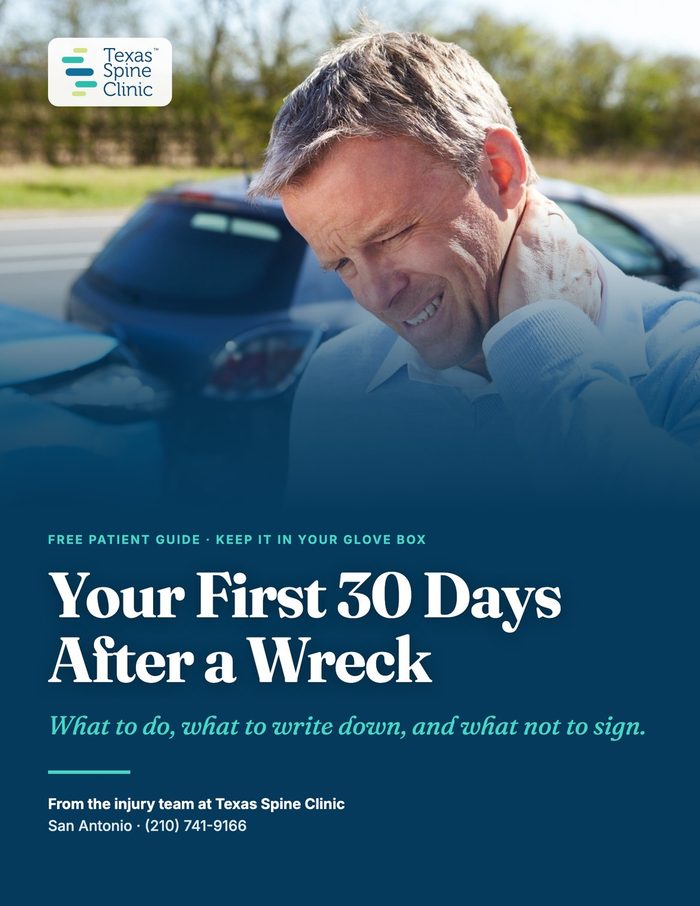
Just the guide. No sales calls.
The first two weeks
The window that shapes how you heal.
Torn muscle and ligament get patched with new tissue that's laid down fast — in whatever position you're holding. Guard a sore neck for a month and the patch sets in stiff. Keep it moving, with the right care, and it heals flexible.
- Keep your appointments. Each visit builds on the last, and gaps slow your recovery.
- Move gently, inside a pain-free range. Movement beats bed rest. Skip heavy lifting and high-impact exercise until you've been examined.
- Do the home exercises. They're the part of your care that happens the other 23 hours of the day.
- Track how you're doing, weekly. Pain, what you can and can't do, sleep. That's how you — and we — see progress.
- Tell us about anything new. Tingling, pain moving into an arm or leg, headaches that change. New symptoms can change the plan, including whether you need an MRI.
- Don't push through a flare to prove you're fine. Back off, and tell us at the next visit.
Who pays
The short version, for Texas.
Your first visit costs you nothing out of pocket.
We bill the coverage responsible for your accident — that's our job, not yours.
You may already have coverage you've never used.
Texas auto policies include at least $2,500 per person in Personal Injury Protection (PIP) unless the policyholder turned it down in writing. It pays regardless of who caused the crash.
If the other driver was at fault,
their insurance is ultimately responsible for your accident-related care.
Letters of protection are accepted.
If you have an attorney, your care goes forward under their letter of protection without you paying up front. No attorney? You don't need one to be treated here.
What happens when you call us
Same day. One visit. Treatment starts before you leave.
Call (210) 741-9166, Monday through Thursday, and we'll see you the same day. Plan on about 90 minutes — the exam and your first treatment, in one visit.
- You tell us the whole story. Which way you were hit, where you were sitting, where it hurts and when it started.
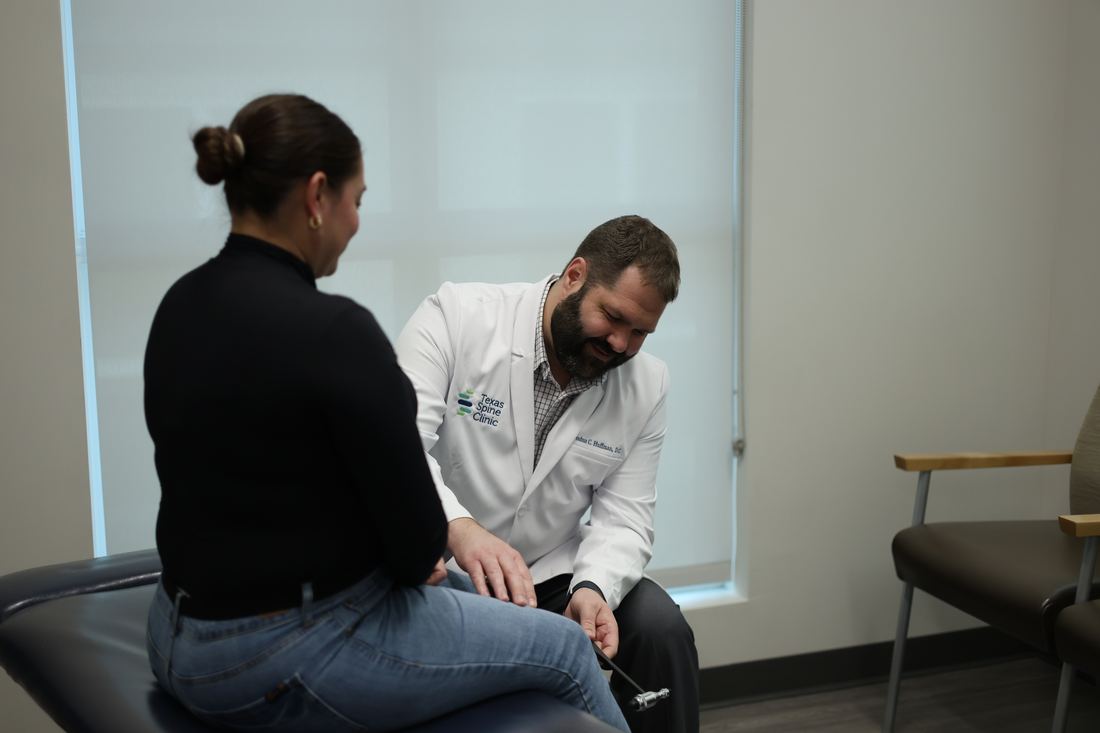
- A hands-on exam. Range of motion, which movements provoke pain, reflexes and strength — every finding written into your chart from day one.
- Treatment starts that day. Most accident patients get their first hands-on treatment at the first visit, narcotic-free.
- A medical provider when you need one. If your injury calls for medication, our nurse practitioner, Meredith Reynolds, ACNP-BC, can see you that same day, in the same building.
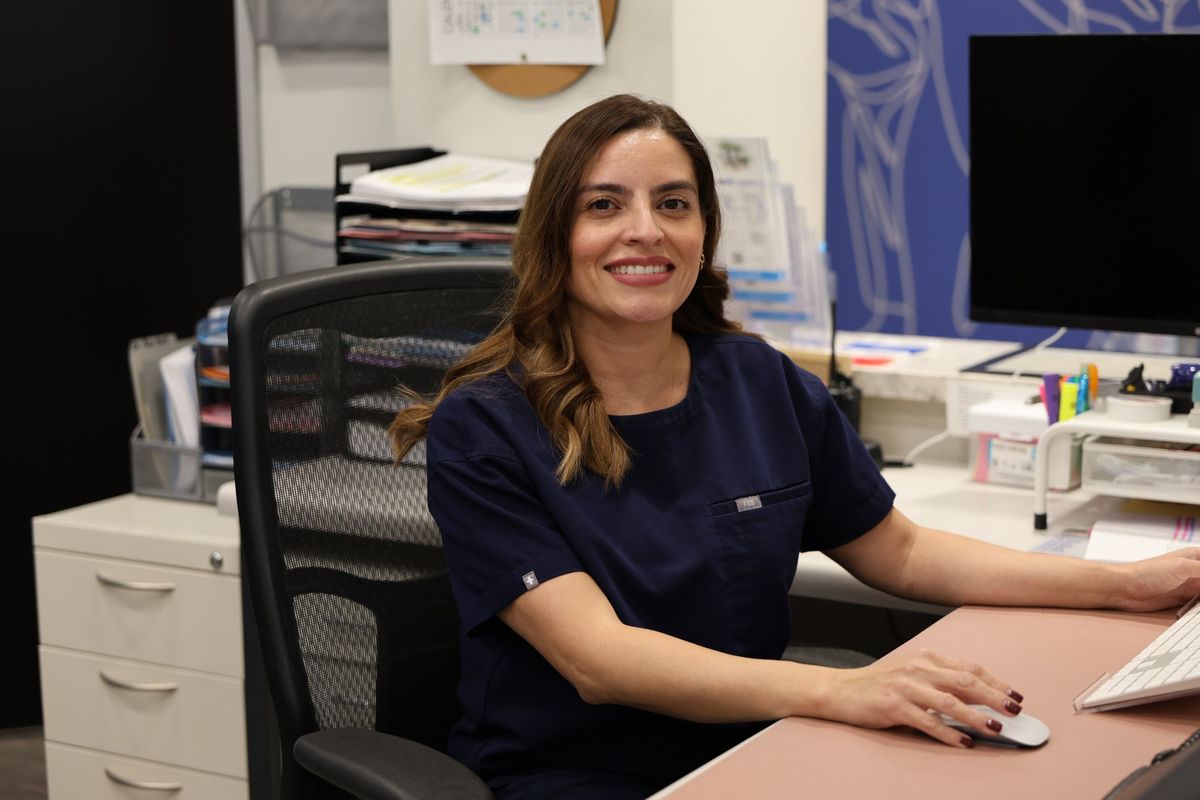
- Silvia walks you through coverage before you leave.
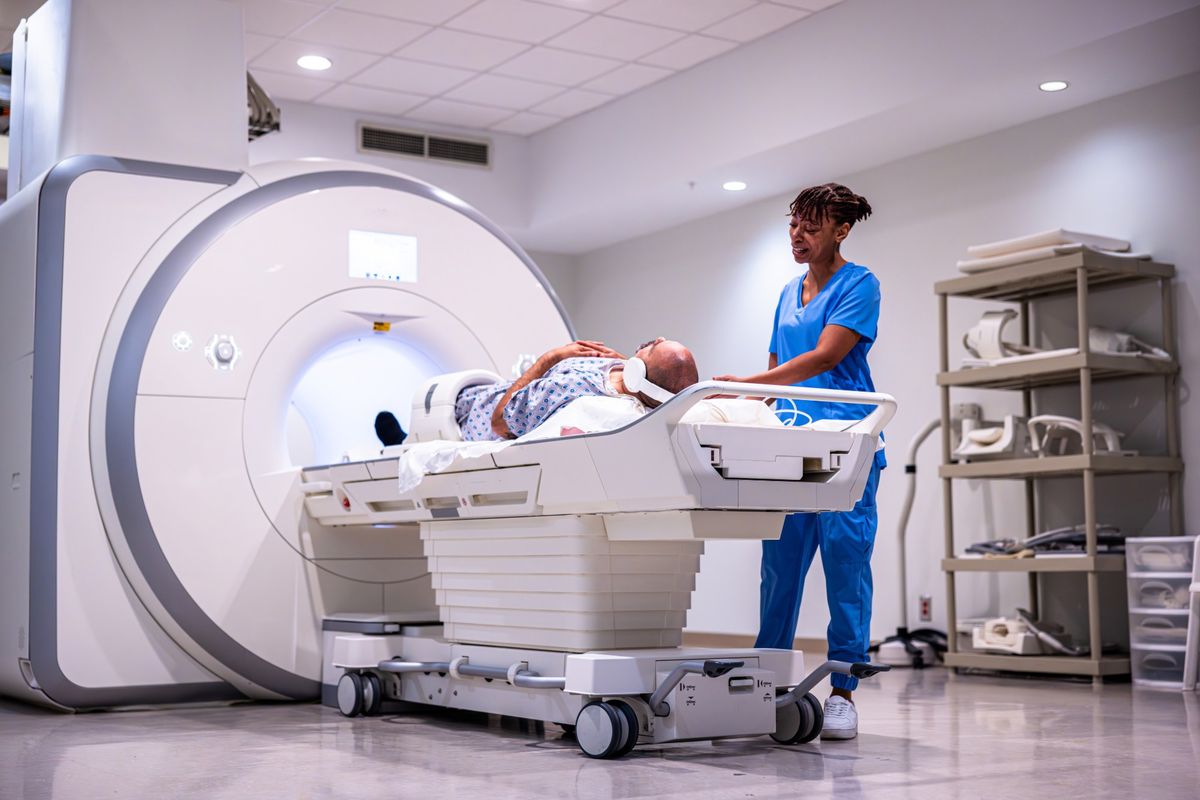
- If your exam or your symptoms call for an MRI, we order it and arrange it, then review the pictures with you on the screen.
- If imaging shows a disc injury, decompression on the DRX9000 is right here in the same clinic. If pain won't let go, interventional pain management is here too, with Praful C. Singh, M.D., a board-certified anesthesiologist, fellowship-trained in pain management, and Lisa D. Persyn, M.D., board certified in physical medicine and rehabilitation. Same building, same chart.
Questions people ask after a wreck
Fair questions
I feel fine. Do I really need to see a doctor?
Yes. Adrenaline hides pain for a day or two, and soreness that shows up on the second or third morning is common. An exam this week costs you nothing out of pocket, and it puts your injuries on record while they're fresh.
How long after a car accident can pain start?
Often the next morning; sometimes a few days later; for some people, weeks — when numbness, tingling or headaches show up after the stiffness. Whenever it starts, it's worth an exam.
Should I go to the ER, urgent care, or come to you?
If you have any of the warning signs above — worsening weakness or numbness, loss of bladder or bowel control, a worsening headache or confusion, chest or belly pain, trouble breathing — go to the ER now. Otherwise, come to us for a same-day injury evaluation. If you've already been to the ER, we pick up where they left off.
The other driver's insurance company wants a recorded statement. Do I have to give one?
Not about your injuries before you've been examined. Stick to the facts of the crash, and don't sign anything or accept a payment until you know what's actually hurt. For legal questions, talk to an attorney of your choosing.
What should I bring to my first visit?
Your driver's license, your auto insurance information, the claim number and police report number if you have them, any ER or urgent care paperwork, and your attorney's contact information if you have one. If you don't have all of it yet, come anyway — Silvia will help you sort it out.
Do I need a lawyer to be seen?
No. That's your decision, and we don't give legal advice. If you have an attorney, we work with their letter of protection. If you don't, you're just as welcome here.
My accident was a few weeks ago. Is it too late?
No. Tissue that's healing stiff can still be treated, and a disc injury can still be found. The sooner you're examined, the sooner we know what we're working with.
Can I come in today?
Monday through Thursday, yes — same-day appointments for accident patients, and no referral needed. Call (210) 741-9166.
Come in today
You don't have to figure out the rest today. Just the next step.
The insurance, the car, the paperwork — all of it can wait a day. Your body is already healing, and the first weeks decide how. Come in today: same-day appointment, no-cost evaluation, treatment that starts the same visit, and one team from the first visit to the last.
Texas Spine Clinic · 3212 Napier Park, San Antonio, TX 78231
Monday–Thursday, 8 a.m.–5 p.m. · Same-day appointments for accident patients